Small Living Room Decorating Ideas can change the way a room feels long before you buy anything new. I have seen compact rooms look larger, calmer, and more useful just by changing the order of the furniture, the scale of a rug, and the amount of visual noise on the walls. The trick is not to make the room pretend to be bigger. The trick is to give the eye a clear path and the body a comfortable place to land.
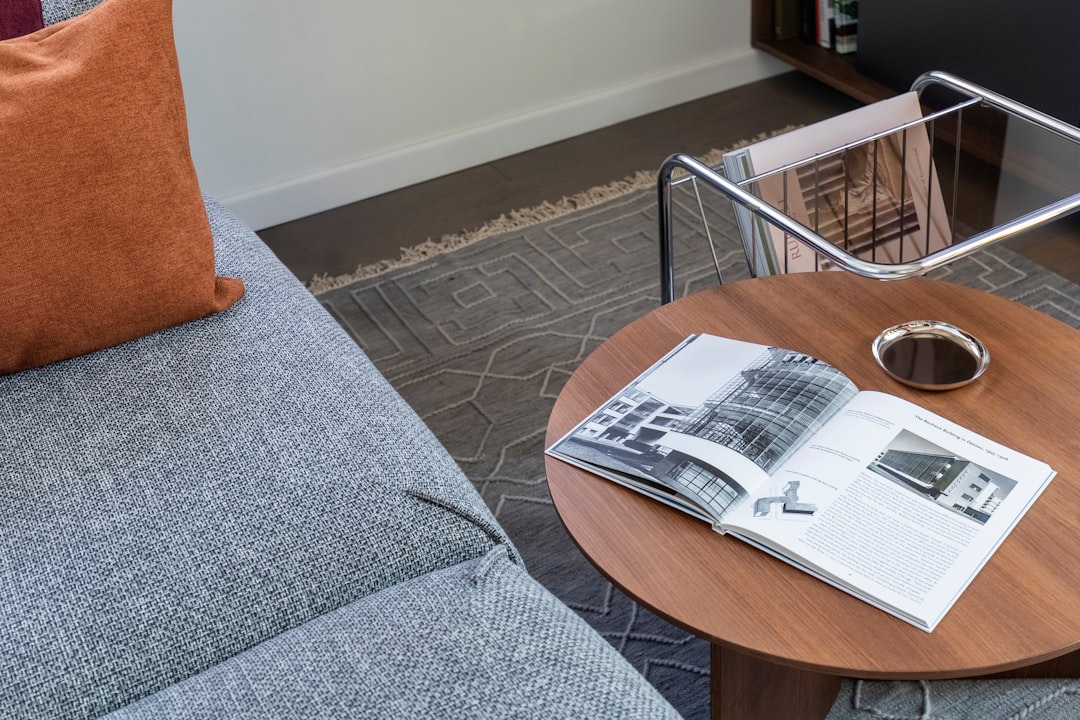
That is why I like starting with the room’s job, then moving outward into layout, scale, light, color, and storage. A small living room can be a reading corner, a TV room, a conversation space, a work spot, or all four in careful doses. When the room tries to do everything at once, it usually looks cluttered. When each choice has a reason, the room feels composed.
If your space feels awkward, it is usually not because it is too small. It is because the room is carrying too many visual decisions at once. Too many tones. Too many furniture legs. Too many little objects on display. Once you trim the extras, the room starts working with you instead of against you.
Start With the Room’s Main Job
Before moving a sofa or buying a lamp, I like asking a simple question. What is this room actually for most of the time? In a small living room, the answer is rarely just one thing, but one purpose should lead. If you mostly watch movies, the seating should support that. If you host friends, the chairs should face each other without forcing people to twist. If you read there at night, lighting and a side table matter more than extra decor.
This matters because every room has limited bandwidth. If you give equal weight to television, conversation, storage, display, and desk space, the room becomes a negotiation. One task pulls the furniture one way, another task pulls it back, and the result feels unsettled. I get better results when I choose a lead purpose and let the other uses sit in the background.
A useful way to sort this out is to make a short list:
- Primary use, such as lounging, reading, or socializing
- Secondary use, such as watching TV or working on a laptop
- Daily pain point, such as no surface space, poor lighting, or a tight walkway
- One thing the room should stop doing, such as collecting random storage bins
When that list is clear, every choice gets easier. A room built for reading can welcome a deeper chair and a floor lamp. A room built for conversation can use two smaller chairs instead of one oversized sectional. A room built for family time can benefit from a low, durable ottoman that works as a footrest and a table. Small rooms reward clarity. The more honest you are about how the room is used, the less you waste on pieces that look good in a shop but do nothing at home.
Think of this first step as editing, not decorating. You are deciding what deserves space. Everything else becomes easier after that.
Small Living Room Decorating Ideas for Layout Planning
Small Living Room Decorating Ideas usually begin with layout, because layout affects almost everything else. A good plan makes the room feel wider, less crowded, and easier to move through. A poor plan can make even beautiful furniture look awkward. If a room feels cramped, I look at the walk paths first. People need a clear route into the room, across the room, and back out again. If they have to squeeze around corners, the room will feel tight no matter how nice the sofa is.
One of the biggest mistakes is pushing every piece against a wall and hoping that the middle will feel open. Sometimes that helps. Sometimes it creates a floating island with no relationship between the seats. Instead, I prefer to think in zones. Where does the conversation happen? Where does the TV sit? Where does the side table belong? Once those answers are set, the furniture can shift into a shape that supports them.
There are a few layouts I return to often. A sofa centered on one wall with a pair of light chairs opposite it can feel balanced in a narrow room. A small sectional can work in a square room if the pieces stay low and the chaise does not block the entry. Two accent chairs with a round table can be better than a sofa when the room is tight and the people using it change often. The right plan is not the largest one. It is the one that lets the room breathe.
When you measure, do not stop at the overall room size. Measure the width of the walk path, the distance between seating pieces, and the space in front of drawers or cabinet doors. A few practical numbers help:
- Keep at least enough room to walk through the main path without turning sideways
- Leave open space in front of cabinets and storage doors
- Allow coffee table spacing that lets people reach it without leaning too far
- Use a round table when corners make the room feel too sharp
One simple habit changes a lot. I sketch the room on paper and test more than one option. The first idea is not always the best one. Sometimes moving the sofa six inches away from the wall does more for the room than a new chair ever could. Good layout is a design tool, not a math exercise. It is about making movement feel easy and making the furniture look intentional.
Choose Furniture That Respects Scale
In a compact room, furniture scale matters more than style labels. A beautiful sofa that feels too deep can swallow the room. A coffee table that is too bulky can make the center feel heavy. A chair with thick arms can take up more visual room than its footprint suggests. The goal is not to make everything tiny. The goal is to choose pieces whose proportions match the room’s size and ceiling height.
I usually start with the largest item, which is often the sofa. A low back can keep the room from feeling boxed in. Slim arms help, too. A sofa with exposed legs shows more floor, which gives the room a lighter look. The same idea applies to chairs. Open frames, tapered legs, and simple silhouettes tend to work better than oversized club chairs with a lot of visual mass.
Furniture can also create a sense of scale through shape. In a small room, a round coffee table often feels softer than a large rectangular one. Nesting tables can be useful because they can spread out when needed and tuck together when the room needs a cleaner look. A small bench can stand in for a large ottoman if you want a flexible piece that does not dominate the floor.
Here is a practical way to compare options when you are shopping:
- Choose the slimmer version if two pieces do the same job
- Prefer raised legs over solid bases when the room needs visual lightness
- Pick furniture with one strong shape, not five competing details
- Repeat one material, such as wood or black metal, so the room feels connected
Small rooms also benefit from a little restraint in quantity. One sofa, one table, two chairs, and one storage piece can be enough. Once the room has more than that, each new item should earn its place. I like to ask whether a piece solves a real problem or only fills an empty corner. Empty corners are not a flaw. Sometimes they are part of what lets the room feel calm.
Scale is not about shrinking your taste. It is about choosing pieces that let your taste show up without crowding the space.
Build a Calm Color Story
Color can make a small living room feel open, cozy, dramatic, or restless. The effect is less about one perfect shade and more about the relationship between shades. When a compact room has too many competing colors, the eye jumps around. When the palette is coordinated, the room feels settled even if it is simple.
I usually think in layers. The largest surfaces, such as walls, curtains, and the biggest upholstery pieces, set the main tone. Then smaller accents can add depth. If the big surfaces stay close in value, the room feels more continuous. Cream walls, a soft beige sofa, and warm wood tones can create a gentle backdrop that does not chop the room into pieces. From there, one or two deeper accents can keep the room from feeling flat.
That does not mean every small room has to be pale. Darker rooms can look intimate and polished if the palette is controlled. A charcoal sofa, a deep green chair, and brass accents can feel rich in a small room when the walls, rug, and larger accessories support the look. What matters is consistency. A room with a clear idea reads as larger than a room with many unrelated ideas.
If you want a simple palette plan, try this:
- Choose one main base color for the room
- Add one supporting neutral that sits a bit lighter or darker
- Pick one accent color that appears in small doses
- Repeat the same metal finish or wood tone more than once
Another useful trick is to keep contrasts gentle on large items and sharper on small ones. A strong contrast between the sofa and the walls can break the room into hard blocks. A stronger contrast on a pillow, vase, or print is easier to handle because the item is small. The room gets energy without visual strain.
Paint also affects perception more than people expect. A color that seems subtle on a sample card can become dominant on four walls. I like testing swatches in daylight and at night, because a small living room often changes character quickly as the light changes. A color that feels cozy in the evening may feel too heavy at noon. The room should work at both times.
Color should support the room’s mood, not compete with it. In a small living room, that usually means fewer surprises and more repetition.
Layer Lighting So the Room Feels Deeper
Lighting is one of the fastest ways to improve a small room. A single overhead fixture often flattens everything, especially at night. The room can look bright but still feel harsh. Layered lighting gives the space more depth and makes the furniture and finishes feel intentional.
I like to think of lighting in three parts. General light helps the whole room function. Task light supports reading, hand work, or watching a laptop. Accent light adds mood and pulls attention to the best parts of the room. When all three are present, the room feels richer without needing more objects.
A floor lamp beside a sofa can make a reading corner feel finished. A table lamp on a side table can soften the far end of the room. A small picture light or a carefully placed sconce can bring attention to art instead of letting the wall vanish. If the room only has one bright source, the corners stay flat. If the room has more than one source at different heights, it feels layered and more comfortable to stay in.
There are also smart ways to choose fixtures for small spaces:
- Use lamps with slender bases so they do not crowd the floor
- Pick shades that diffuse light instead of throwing glare everywhere
- Mix one overhead fixture with at least two lower light sources
- Use warm bulbs if you want the room to feel softer in the evening
I also like to pay attention to what lighting reveals. A shelf packed with objects looks busier under a harsh spotlight than under a gentler lamp. A textured throw or wood grain can look richer when the light hits it from the side. In other words, lighting is not only for visibility. It changes how material and texture read in the room.
If your room feels lifeless, check the corners. If they are dark, add a lamp. If the ceiling feels low, use light to pull the eye upward. If the sofa disappears into shadow, give it a nearby source that makes the shape clear. Small rooms need light with a point of view.
Add Storage That Disappears Into the Room
Storage is the quiet hero of a compact living room. Without it, surfaces collect remote controls, magazines, chargers, blankets, and all the small things that make a room look tired. With it, the room feels easy to live in. The best storage in a small room usually does not shout for attention. It blends into the design and handles the mess behind the scenes.
I prefer storage that does two jobs at once. A coffee table with a shelf below can hold books and still look neat. A bench with a lift top can hide throws and still offer extra seating. A media cabinet can keep cords out of sight and help the TV wall look more deliberate. The more the storage relates to the rest of the furniture, the less it feels like an afterthought.
Closed storage is especially useful when the room is small, because the eye already has a lot to process. Open shelving can work, but it should be edited with care. A few books, one plant, one bowl, and one framed print can look calm. A shelf packed edge to edge starts to feel like a warehouse. In a small room, the same rule applies to baskets, trays, and bins. They should help the room feel composed, not multiply visual clutter.
Some easy storage moves include:
- Use a storage ottoman instead of a bulky extra table
- Choose media furniture with doors, not only open cubbies
- Keep one catchall tray for remotes and daily items
- Store blankets in one basket instead of draping them everywhere
There is also a difference between storage that hides and storage that organizes. Hiding is about making mess invisible. Organizing is about giving every object a home. The second one lasts longer. When the room has a small number of dedicated places for small items, you do not need to reset it from scratch every evening.
For me, the best small room storage is the kind that disappears into the routine. If it is easy to use, it gets used. If it is hard to reach or awkward to open, it becomes furniture that stores frustration. That is the wrong kind of decorative object.
Use Rugs, Curtains, and Art to Set Scale
Textiles are powerful in a small living room because they shape the room without adding heavy furniture. A rug can define the seating area. Curtains can make the window feel taller. Art can create rhythm on a blank wall. These pieces are often less expensive than a new sofa, yet they change how the whole room reads.
The rug is the anchor. If it is too small, the furniture can feel scattered. If it is large enough to connect the main pieces, the room feels grounded. I like rugs that extend beyond the front legs of the sofa and chairs, because that visual connection helps the seating area feel like one zone. Patterns can be useful, but in a small room I tend to favor patterns that have breathing room, not busy all-over movement.
Curtains change proportion in a way that surprises people. Hanging them higher than the window frame can make the wall feel taller, even when the room itself is not. Keeping them long and simple often looks cleaner than stopping them halfway. If the fabric is too heavy, the window can feel compressed. If it is too flimsy, it may not give the room enough substance. Light-filtering curtains can be especially useful when the room needs privacy without losing daylight.
Art works best when it is chosen with scale in mind. One medium-size piece can look calmer than a cluster of tiny frames. If you do create a gallery wall, keep the spacing consistent so it feels deliberate. The wall should look edited, not random. I also like repeating a color from the rug or pillow in the artwork so the room feels connected.
A few textile rules usually help:
- Use one larger rug instead of several tiny rugs
- Hang curtain rods closer to the ceiling line
- Keep art arrangements simple enough to read from across the room
- Repeat texture, such as linen, boucle, or wool, in more than one place
These details may seem soft compared with furniture, but they do a lot of structural work. They frame the room, steady the eye, and add comfort without making the room feel crowded.
Add Mirrors and Reflective Details With Restraint
Mirrors can be helpful in a small living room, but they work best when they have a clear role. A mirror placed across from a window can bounce daylight deeper into the room. A reflective coffee table base can keep the center feeling lighter. A glossy lamp base or a piece of glass decor can add sparkle without taking up much visual mass.
The danger is overdoing it. Too many reflective surfaces can make a room feel nervous, almost like it does not know where to settle. I get better results when mirrors are used as tools, not decoration for its own sake. One well-placed mirror can do more than three small ones scattered around the room.
Where a mirror goes matters just as much as the mirror itself. If it reflects a cluttered shelf, the clutter doubles. If it reflects a window, greenery, or a pretty light fixture, the room gets a better view of itself. Before hanging one, stand in the spot where it will go and imagine what it will bounce back. That small test saves a lot of regret later.
Reflective details can also come from finish choices. A glass side table keeps the floor visible. Polished metal can bring in brightness without a large visual footprint. Lacquered accents can work when the room needs a bit of edge. The key is balance. If every surface reflects light, the room can feel flashy. If only one or two pieces do it, the room feels brighter in a controlled way.
I like to use this short checklist:
- Reflect the best view, not the busiest one
- Choose one major mirror rather than several tiny ones
- Pair reflective items with matte textures so the room does not feel cold
- Keep mirror frames simple if the room already has strong furniture shapes
Small rooms do not need tricks that shout. They need elements that quietly extend light and space. Mirrors can help with that when they are placed thoughtfully and kept in proportion.
Keep the Room Edited, Comfortable, and Easy to Maintain
The last part of Small Living Room Decorating Ideas is not about buying another thing. It is about keeping the room feeling good after the styling is done. A small living room stays at its best when surfaces do not slowly fill up again. That is easier when the room has a short reset routine and a limited number of places where daily items are allowed to land.
I like a weekly five-minute reset. Put the remote back in its tray. Fold the throw. Straighten the pillows. Clear the coffee table except for one or two items. Dust the surfaces that collect the most attention. This is not about perfection. It is about stopping small messes from becoming the room’s main texture.
Seasonal editing helps, too. In summer, I may use lighter textiles and one or two fresh stems. In cooler months, I may add a denser throw and a warmer lamp bulb. The room changes enough to feel alive, but not so much that it loses its identity. Small spaces work best when the updates are restrained.
If you are still deciding what to buy, a simple shopping order can keep you focused:
- Measure the room and the largest wall first
- Choose the sofa or main seating piece before accessories
- Add storage before extra decor
- Buy lighting before filling the room with small objects
- Finish with textiles and art after the big items feel settled
When I want more room-by-room inspiration, I like browsing the home decor guides at mstyle4life.com to compare ideas and notice what feels realistic for the kind of room I actually live in. That habit keeps me from chasing trends that look good for a minute but do nothing for daily life.
A small living room does not need to look bigger than it is to feel successful. It needs to feel clear, comfortable, and well edited. Once the layout works, the scale makes sense, and the room is easy to keep tidy, the size stops being the story. The room becomes the place you want to sit down and stay awhile.
That is the real goal. Not a room that performs space. A room that uses its space well.
