If your goal is a calm, consistent complexion, a sensitive skin routine can simplify decisions, lower daily guesswork, and keep your products aligned with what your skin tolerates best.
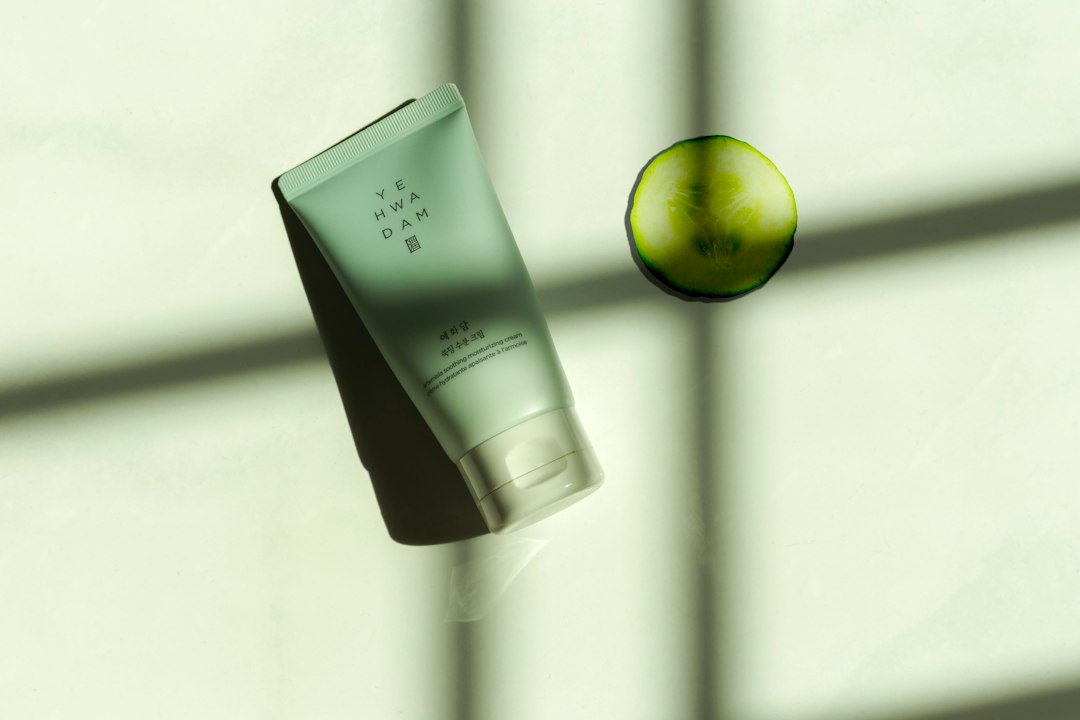
sensitive skin routine: Sensitive skin routine: build a calm, consistent plan
When your skin responds easily to climate shifts, new formulas, or a busy schedule, the most helpful move is not a bigger shelf. It is a smaller, clearer routine that you can keep doing on your busiest day. A routine offers two advantages. First, it narrows product choices to textures and ingredients your skin usually enjoys. Second, it gives you a way to notice changes without changing everything at once. Think of it as a personal standard operating procedure: simple steps, gentle formulas, regular checks, and small adjustments rather than dramatic overhauls.
This guide focuses on practical decisions you can apply today. You will find a morning and evening flow, ingredient awareness tips, a patch test method, seasonal adjustments, makeup choices, and a troubleshooting checklist. Throughout, the emphasis is on comfort, appearance, and daily habits—not lofty promises. If you want an expanded glossary and more routines, browse the Beauty & Skincare articles at mstyle4life.com.
How to recognize when your skin acts reactive
Labels often feel confusing, so start with day-to-day cues. Skin that behaves sensitively often feels tight after washing with a strong cleanser, flushes easily in dry air or wind, or tingles when you use highly concentrated actives. You might notice visible redness after a long shower, a stinging sensation from certain fragrant products, or a rough patch where a new exfoliant was used more than once in the same week. None of these cues alone “define” your skin forever; they are simply observations that help you design a routine that favors comfort and consistency.
Useful questions to ask yourself over a week:
- After washing, does your skin feel comfortable without rushing to apply product? If not, your cleanser may be too stripping.
- Do lightweight, gel textures feel better than thick, heavily perfumed creams? That may hint at a texture and fragrance preference.
- Do new serums create a tingle that lingers beyond a minute or two? Consider slower introduction or a different base.
- Do your cheeks flush more than your T-zone when the room heats up? That context can guide how you layer and where you apply actives.
Write these notes down. A simple log makes patterns obvious. If anything feels unusually uncomfortable or persistent, consider seeking advice from a qualified dermatologist for individualized guidance.
Morning routine: simple steps that respect your skin barrier
A steady morning flow helps your skin feel comfortable across workdays, workouts, and commutes. The goal is not to stack steps; it is to create a light, breathable layer that sits well under makeup or stands alone on a no-makeup day.
Suggested structure:
- Rinse or cleanse lightly. If your evening routine already includes a thorough cleanse, many people find a lukewarm water rinse sufficient in the morning. If you prefer a cleanser, choose a gentle, low-foam gel or lotion without strong fragrance. Skin should feel clean but not tight.
- Hydrating layer. Apply a fragrance-free essence or toner with humectants such as glycerin or hyaluronic acid. Pat, do not rub. If mists appeal to you, look for simple formulas and use them as a quick comfort step rather than a replacement for a hydrating layer.
- Serum (optional). If you enjoy a morning antioxidant serum, look for milder formats or buffered formulas. Sensitive-leaning skin often likes niacinamide at modest percentages, panthenol, centella asiatica, or ectoin. Introduce one serum at a time and keep notes.
- Moisturizer. Choose a light cream or gel-cream that spreads easily and sinks in without heavy rubbing. Ceramides, squalane, cholesterol, oat extract, and shea in balanced amounts can support comfort.
- Daily sun-smart habit. A broad-spectrum SPF product you enjoy wearing every day is a practical finishing step for outdoor time. Pick textures you will reach for: gel for humidity, creamy for dry offices, sticks or cushions for touchups. Reapply as your day and comfort allow.
Keep each layer thin. Give products a few seconds to settle before the next step. If a step pills under your final layer, use less or switch textures rather than adding more steps.
Evening routine: reset, replenish, and keep it gentle
Nighttime is a chance to remove the day, add hydration, and apply a simple cream. The routine mirrors your morning in spirit: light, calm, consistent.
- Remove makeup and sunscreen. Many people find a non-fragranced balm or oil effective for this first pass. Emulsify with plenty of water and rinse thoroughly. If balm textures feel too heavy, try a gentle gel cleanser and take your time with massage and water to lift residue.
- Second cleanse (only if needed). If you wore long-wear makeup or heavy layers, a second, mild cleanse can help. Otherwise, keep it to one cleanse to avoid over-cleansing.
- Hydrating step. Reapply your morning hydrating layer. Patting motion helps reduce friction. People often notice that a simple watery layer makes moisturizers spread more evenly.
- Targeted serum (optional, on alternating evenings). If you use a gentle exfoliant or a low-strength retinoid, consider alternate nights and micro-dosing (small amount mixed with moisturizer). Start once a week and slowly increase only if your skin remains comfortable. Skip on days after a long flight or a strenuous workout when your skin already feels taxed.
- Moisturizer. At night, some prefer a creamier texture. If your morning cream works well, you may not need a second jar. Many find that sealing with a slightly richer layer supports overnight comfort.
Resist the urge to change multiple variables at once. If you introduce a retinoid or exfoliant, avoid adding a new toner in the same week. Your notes will be clearer and your skin will tell you more.
Weekly add-ons: gentle masking and mindful exfoliation
Weekly extras can feel enjoyable, but they should never compromise your baseline comfort. A short, soothing mask or a very mild exfoliant can be part of your toolkit, used only when helpful.
- Soothing mask. Look for cream or gel masks with oat, aloe, panthenol, centella, or beta-glucan. Keep them on for less time than the label’s maximum if you’re unsure at first. A cool (not cold) sensation from the fridge can feel pleasant, but do not over-chill products.
- Mild exfoliation. Many sensitive-leaning routines work with enzyme-based options or low-strength acid formats used sparingly. Consider a short contact time or rinse-off approach. Skip exfoliation entirely during weeks when your skin looks flushed or feels tight.
- Barrier balm moments. If wind or indoor heat leaves you feeling parched, a thin film of a bland balm on specific areas (corners of the nose, tops of cheeks) can support overnight comfort. Less is more; think pinpoint application, not a heavy coat.
As always, patch test any new weekly product before it goes on your whole face. Use the method below, take notes, and adjust frequency rather than chasing instant results.
Ingredient awareness: what commonly feels comfortable vs. prickly
Every face is personal, yet patterns help when scanning labels. Consider these general tendencies as a starting checklist rather than rules.
Often comfortable for sensitive-leaning routines:
- Humectants: glycerin, hyaluronic acid (varied molecular weights), aloe.
- Barrier-supportive lipids: ceramides, cholesterol, squalane.
- Soothers: panthenol, centella asiatica, beta-glucan, oat derivatives, ectoin, madecassoside.
- Low-scent or fragrance-free bases with simpler INCI lists.
Sometimes prickly for sensitive-leaning routines (context matters):
- High-percentage acids applied daily or layered with retinoids.
- Strong fragrance blends and certain essential oils, especially in leave-on products.
- High-foam cleansers with strong surfactants used twice a day.
- Alcohol-dominant toners when skin already feels tight. Some alcohol types in low, supportive formulas can be comfortable; placement and balance matter.
Two helpful habits emerge here: simplify where you can and introduce changes deliberately. If you love a lightly scented product, you might still use it—just patch test first, wear it on low-stress days, and watch how your skin responds over a full week.
Product selection checklist you can use in the aisle
When faced with shelves and scrolls of recommendations, take five minutes with the label and your notes.
- Fragrance approach. If you know fragrance often bothers you, look for apps or labels that specify “fragrance-free” or “unscented.” If you prefer some scent, keep it to wash-off steps.
- Texture and finish. Gel-cream for humidity, cream for dry offices, lotion for in-between. Pick what you will use daily.
- Top three ingredients after water. Are they humectants and emollients you recognize? Do they align with your comfort list?
- Concentrations and combos. A single, well-tolerated active introduced slowly is often more helpful than a cocktail of actives added all at once.
- Packaging. Airless pumps protect textures. Jars can work too if you use clean hands or a spatula.
- Size. Travel or mini sizes can be a smart way to test a formula for two weeks without committing to a full bottle.
Most important: do not buy a whole new shelf at once. Start with one or two products that match your list, patch test, then use them for a full two weeks before adding something else.
Patch test: a simple, reliable method
A patch test reduces the guesswork by showing you how your skin responds on a small area first. Here is a straightforward approach you can repeat for every new product.
- Choose a spot. The inner forearm or behind the ear are common choices. Clean and dry the area.
- Apply a pea-sized amount. Use the product as directed, but only on that small area. Do not layer other new products over it.
- Wait and watch. Check in 24 hours and again at 48–72 hours. Note any stinging that persists, visible redness, or dryness that feels new to you. Temporary, mild sensations right after application can be product texture or pH; use your notes to judge what is normal for you.
- Try a second small area. If the first spot feels fine, repeat on a small facial area you can easily observe, such as at the jawline.
- Introduce to your routine. Start every other day, then build to daily if your skin stays comfortable. Keep the rest of your routine steady during this time.
If your skin feels uncomfortable during a patch test, rinse, moisturize with a simple cream you already tolerate, and give your skin time before trying anything new again. This is not a failure; it is a success at protecting your comfort.
Seasonal and environmental adjustments without starting over
Weather, air quality, water hardness, and travel can all change how products feel. The trick is to adjust amounts and textures before swapping everything.
- Dry, heated rooms. Add a hydrating layer, use a cream instead of a gel-cream, or apply a thin balm film to the high points of cheeks at night.
- Humid summers. Slide from cream to gel-cream. Keep layers thinner. Blot before reapplying SPF during the day if you choose to touch up.
- Hard water. If home faucets produce a tight feeling, try rinsing cleansers more thoroughly, finishing with a hydrating mist, or choosing a cream cleanser that removes with a soft, damp cloth.
- Travel. Pack your core routine in minis and add just one new product if you are curious. Travel already changes sleep, humidity, and schedules; keep products familiar so you can enjoy the trip.
Small adjustments preserve your progress. Swap the minimum number of products needed for comfort, then return to your usual set when conditions normalize.
Makeup that plays nicely with a sensitive-leaning routine
Makeup and skincare can coexist smoothly when textures and application match your skin’s preferences.
- Base makeup. Sheer to light coverage often feels more comfortable and flexes with skin movement. If you prefer coverage, layer thinly and set only where you need longevity.
- Brushes and sponges. Clean tools often and use gentle pressure. A damp sponge can spread base makeup without tugging.
- Fragrance awareness. Some base products and lip items include fragrance. If you know this distracts your skin, look for fragrance-free options, especially in leave-on products.
- Removal. End the day with a calm cleanse and unhurried rinse. Mascara and long-wear lip products may need a dedicated remover that feels comfortable for you.
As with skincare, keep your makeup lineup simple. A small, reliable kit you can use half-asleep is worth more than a drawer full of “almost right.”
Lifestyle habits that support comfort day after day
Products are only part of the picture. Small, repeatable habits often do the quiet heavy lifting.
- Water temperature. Lukewarm beats hot. Heat can make skin feel tight or flushed. Use comfortable temperatures for washing and showers.
- Laundry. Residue from strong detergents and fabric softeners can sit on pillowcases and towels. A mild detergent and an extra rinse can help your linens feel friendlier on your face.
- Pillowcases and towels. Soft, clean fabrics reduce friction. Pat dry rather than rubbing. Keep a small stack of clean face towels for morning and night.
- Sun-smart routine. Wear hats and sunglasses when outdoors and keep your preferred SPF within reach. Choose shade when you can. Think “comfort and habit,” not perfection.
- Hands off. Avoid picking at dry patches. If a spot looks flaky, soften it with moisturizer and give it time.
These habits create a kinder environment around your skin so your routine does not have to work as hard.
Troubleshooting: a simple decision tree
Use this calm checklist when something feels off. Make one change at a time and give it a few days.
- Skin suddenly feels tight after cleansing. Switch to your gentlest cleanser or try a water-only rinse in the morning. Add a hydrating layer and see if comfort returns within a few days.
- New serum tingles beyond a minute or two. Pause for two days. Patch test again, then reintroduce on alternate days mixed with moisturizer. If the sensation persists, park that serum for now.
- Flaking around the nose and chin. Consider whether you added an exfoliant and a retinoid in the same week. Use only one, reduce frequency, and moisturize.
- Makeup pilling. Reduce the amount of each skincare layer. Allow more time between steps. Swap one texture (for example, gel-cream to light lotion).
- Red-looking cheeks after a windy day. Simplify to hydrating layer plus cream at night. A thin balm film on high points can support comfort until the weather calms.
When in doubt, return to the simplest version of your routine for a week: gentle cleanse, hydrating layer, moisturizer, and your daily SPF. Simple helps you see what matters.
Budget-friendly capsule: four products that do the work
You do not need a large collection. A tight capsule can serve you across seasons with small tweaks.
- Gentle cleanser. Low-foam gel or lotion, fragrance-free, rinses clean without squeak. Use at night; mornings can be a water rinse if comfortable.
- Hydrating layer. A simple toner or essence with humectants. Pat on; do not swipe hard with cotton if your skin dislikes friction.
- Moisturizer you love. Texture that suits your climate. Ceramides, squalane, and cholesterol are common comfort ingredients.
- Daily SPF you enjoy wearing. Texture you will reach for. Keep one in your bag for days that include outdoor time.
From there, add one optional serum that your notes suggest you enjoy. Keep everything else the same for two weeks before deciding what is next.
Building routines for different scenarios
Life shifts, and your routine can shift with it—without losing its core.
- For gym mornings. Rinse with lukewarm water before class. Afterward, gentle cleanse, hydrating layer, moisturizer, and your preferred SPF. Keep a mini kit in your gym bag.
- For long office days. Layer thinly in the morning. Keep a small hydrating mist or a travel moisturizer for mid-afternoon comfort if your office air is dry.
- For special events. Do not experiment the week of the event. Use your core routine. If you want extra glow, try a soothing mask a few days before, patch tested in advance.
Routines serve you best when they feel portable—easily adapted to your schedule with minimal stress.
Track and maintain: your five-minute monthly review
A short review locks in what works and helps you avoid repeating past detours.
- Open your notes. List products that felt especially comfortable and the conditions (humid, cold, travel).
- Mark experiments. Note anything you tried and how many days you used it.
- Decide small changes. One swap or one texture shift is enough for the next month.
- Restock plan. Reorder your favorites early so you are not forced into last-minute substitutions.
- Declutter gently. Set aside products that did not suit you to share with a friend who enjoys them. Keep only what serves your routine now.
Maintenance is not glamorous, yet it is how a sensitive skin routine quietly supports your day-to-day confidence.
Frequently asked questions (practical, routine-first answers)
Do I need different cleansers for morning and night? Not necessarily. Many people use the same gentle cleanser at night and water rinse in the morning. If your morning workout includes heavy sunscreen or outdoor dust, a light cleanse can be helpful.
How do I layer fewer products when I like trying new things? Build a rotation. Keep your core four and rotate one “fun” product in a two-week testing window. Your comfort and notes will guide what stays.
What if I want to explore actives? Start with one at a time, patch test, and use a low frequency. Consider buffer methods (mixing a small amount with moisturizer). Give each active a fair trial before moving on.
Is fragrance always off the table? Personal preference rules. Many sensitive-leaning routines do better with fragrance-free formulas, especially in leave-on steps. If you enjoy scent, you can keep it in wash-off products where contact time is shorter.
When should I seek professional advice? If your skin feels persistently uncomfortable or you have questions about specific symptoms, a board-certified dermatologist can offer individualized care. This article provides general education for cosmetic routines and daily comfort.
Your next step: simple, gentle, repeatable
Start with what you have. Choose the gentlest cleanser, a hydrating layer, a moisturizer that makes your face feel soft and flexible, and an SPF product you do not mind using daily. Write down what you use for two weeks. From there, let your notes—not trends—shape the next tiny change. A sensitive skin routine is not about doing more. It is about doing what works for you, calmly and consistently.
