biophilic interior design is more than a style label. It’s a practical way to organize light, air, plants, water, materials, and movement so a home feels restorative without losing function. In this guide, you’ll turn the idea into a plan you can sketch, budget, install, and care for over time, whether you rent a studio or own a multi-room house.
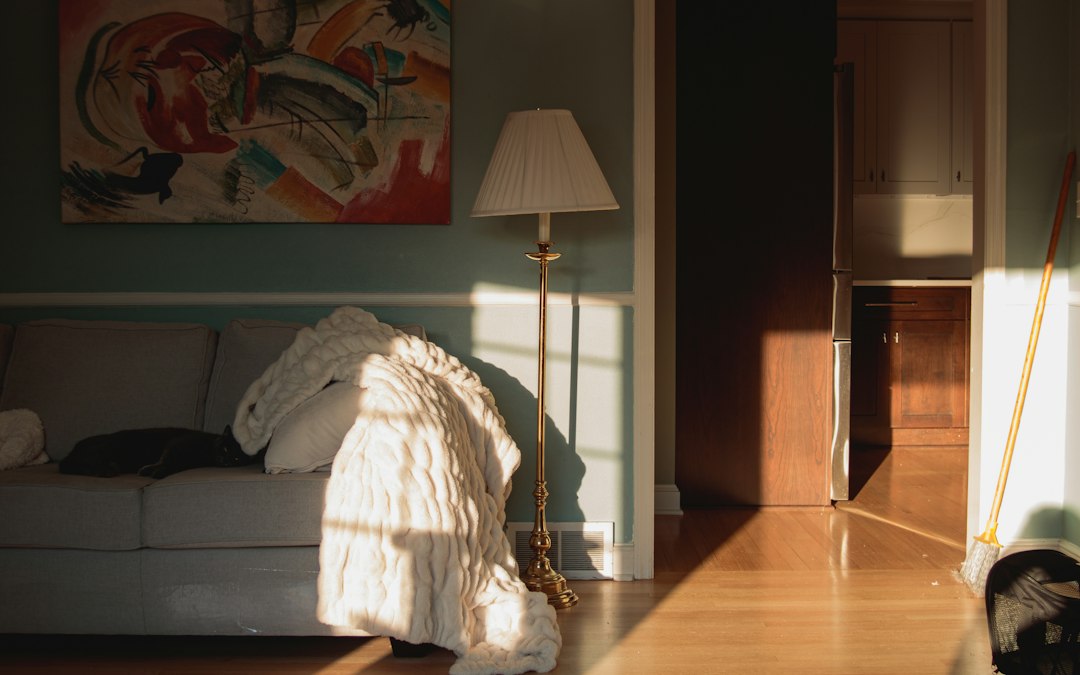
If you want a deeper library of home ideas and layout examples, explore the Home Décor & Design section on our site here: https://mstyle4life.com/category/home-decor-design/. Bookmark it as you map out your own scheme so you can compare options and refine choices.
Why nature works indoors: benefits you can actually feel
Before you buy a single planter or plank of oak, it helps to understand what you’re aiming to reproduce indoors. Nature offers a set of cues that the body and mind respond to: dynamic daylight that changes through the day, gentle airflow, the soft rustle of leaves, the scent and texture of natural materials, and views that layer foreground, middle ground, and background. When these cues are present inside, people commonly report feeling more at ease and more focused. That’s the promise of a nature-led home: a space that supports how you rest, think, and connect.
Start by listing a few moments from outdoor places you enjoy, then translate them into interior triggers. For example, if a morning walk by trees calms you, consider a cluster of tall plants near the breakfast table where daylight is brightest. If a beach path helps you reset, bring in a textured sisal rug under bare feet and a soft, low, wave-like curtain pleat that moves with air. None of this is about copying a forest or shoreline literally; it’s about echoing the sensory cues that matter to you.
To keep things practical, think in three layers you can control at home: passive design decisions (where you place furniture to catch daylight and views), material choices (what you touch and see), and living systems (plants, water features, microclimate). When these layers work together, the home feels coherent and quietly alive rather than themed or cluttered.
The 14 patterns of biophilic design, simplified for daily use
Design researchers often describe biophilic strategies as a set of repeatable patterns. You don’t need to memorize them like a textbook to make progress, but it is helpful to recognize a few so you can cover your bases without overdoing any single element.
- Visual connection to nature: clear lines of sight to greenery, sky, or water images. A single strong view beats many small distractions.
- Non-visual cues: subtle scents from wood oils or herbs, the feel of a natural textile, and the gentle sound of a bubbler or leaves.
- Dynamic and diffuse light: brighter in activity zones, softer in rest zones, with a noticeable change from morning to evening.
- Thermal and airflow variability: small, pleasant changes in temperature and gentle breezes instead of a fixed, flat climate.
- Presence of water: a low-splash tabletop bubbler or a view of rain through a window, used sparingly and maintained well.
- Biomorphic forms and patterns: leaf-like curves in textiles or furniture legs, topographic lines, pebble shapes.
- Material connection to nature: wood, stone, clay, wool, linen, rattan, cork, limewash.
- Complexity and order: layered views and textures that feel legible, not chaotic; crisp storage makes variety feel organized.
- Prospect and refuge: open sightlines from a sofa to a window (prospect) plus a tucked corner to read (refuge).
- Mystery and risk-perception: a path that bends around a bookcase, a backlit niche, or a high plant canopy that invites you to peek.
Pick three to five patterns for each room instead of trying to use them all. That constraint keeps the home composed and maintainable. As you read the room-by-room guidance below, note which patterns you’re activating and where you might be doubling up too much.
Room-by-room applications of biophilic interior design
Every room has a purpose, a pattern of movement, and different levels of daylight, ventilation, and moisture. Use those realities as your starting points. Below are compact, field-tested checklists to help you build a plan one room at a time.
Entry
- Light: Use a clear or ribbed glass fixture with warm, dimmable bulbs. Add a mirror to bounce daylight from the nearest window without glare.
- Air: Keep the door sweep in good shape to reduce dust drift. A narrow shoe bench with a slatted base lets footwear dry.
- Greenery: A single tall, narrow plant (like a snake plant) tolerates drafts and frames the door without blocking flow.
- Materials: A coir mat outside and a woven rug inside trap grit, making the rest of the home easier to keep clean.
Living room
- Prospect/refuge: Orient the main sofa to face a window or artwork that suggests depth, then create a reading nook with a high-back chair.
- Light: Layer sheers with heavier drapery so you can soften midday sun yet keep a bright, diffuse field.
- Greenery: Combine a large specimen (fiddle leaf fig, rubber tree, or a tall dracaena) with a trailing plant and a tabletop herb near the kitchen door.
- Materials: Mix a solid wood coffee table, linen or wool throws, and a clay vessel to create a tactile rhythm.
Kitchen
- Air: Use a range hood that vents outdoors and run it while cooking to keep odors from overwhelming plant areas nearby.
- Light: Under-cabinet LEDs with high color rendering make produce look alive. Keep counters clear so daylight hits reflective backsplashes.
- Greenery: Grow herbs in a shallow tray under a small grow light if daylight is weak. Choose compact, food-safe planters you can rinse easily.
- Materials: Use wood cutting boards and stone or porcelain surfaces where you chop and knead. Add cork pads to reduce clatter.
Dining
- Prospect: Seat people so at least one person can see outside. If you lack views, hang a landscape print with soft depth cues.
- Light: Use a dimmable pendant with a warm tone. Add candles or a small lantern for a low flicker reminiscent of campfires.
- Greenery: A low, wide centerpiece with cut branches or fresh herbs is easy to refresh weekly.
Bedroom
- Refuge: Place the bed so the headboard faces a solid wall and you can still see the door and a window.
- Light: Prioritize blackout or heavy drapes for sleep and let morning light in with sheers. Avoid harsh downlights; choose shaded lamps.
- Greenery: Favor simple, non-fragrant plants like ZZ plant or pothos. Keep them off the nightstand to avoid damp rings.
- Materials: A wool rug softens step and moderates sound. Linen or cotton bedding keeps textures quiet and breathable.
Bathroom
- Light: Bounce daylight with a large mirror. If there’s no window, use high CRI bulbs and indirect light to avoid glare.
- Air: Run an exhaust fan long enough to clear steam after showers. A small, moisture-tolerant plant like a fern can thrive here.
- Materials: Pebble or matte porcelain tile adds foot feel and slip resistance. A teak bath mat holds up well to splash.
Workspace
- Prospect: Face your desk toward a view or an image with depth. Keep sightlines clear.
- Light: Use a desk lamp with warm-to-neutral tones and position screens perpendicular to windows to limit glare.
- Greenery: A compact upright plant (parlor palm) or a small moss bowl provides presence without pollen or loose soil.
- Materials: A cork pinboard and a wood desk insert add texture and reduce clatter under keyboards.
Plants that thrive at home: selection, sizing, and everyday care
Plants are the most obvious biophilic element, but they work best when they feel integrated rather than sprinkled everywhere. Start with three plant roles per room: a statement plant to create scale, a mid-size companion to fill the middle, and a small accent to soften hard edges. Use heavy, stable pots for tall specimens and saucers large enough to capture extra water. Put furniture sliders under the biggest planters before you water; you’ll thank yourself later.
Light is the make-or-break variable. Classify each location as bright indirect, medium, or low. If you can comfortably read a book there in daylight without turning on a lamp, it’s likely medium; if you need a lamp during the day, it’s low. Match species to the light you truly have, not the light you wish you had. For low light, snake plant, ZZ plant, and pothos are forgiving. For medium, try rubber tree, dracaena, or parlor palm. In bright indirect light, consider fiddle leaf fig, monstera, or a bird of paradise.
Watering habits matter more than watering schedules. Check soil moisture with your finger or a moisture meter; water deeply and allow excess to drain rather than giving tiny sips. Rotate plants a quarter turn every week so they grow evenly toward light. Dust leaves monthly using a slightly damp microfiber cloth. When repotting, size up by one pot diameter and refresh the top inch of soil between full repots to reduce mess. If fungus gnats show up, let soil dry a bit more and use yellow sticky stakes; tidy, dry surfaces help reduce the chance of recurrence.
Group plants by similar needs. A cluster of moisture-loving ferns will be easier to care for than scattered one-offs. Keep plant stands and baskets to a consistent finish so your greenery remains the star rather than the hardware.
Daylight, views, and better artificial lighting
Daylight sets the tone for how rooms feel. Aim for soft, diffuse light where you rest and stronger, more directional light where you cook or work. Sheer curtains are a simple tool for shaping light: they scatter harsh rays while keeping rooms bright. Top-down cellular shades preserve privacy and sky views at once, which is especially helpful in street-level apartments.
Use surfaces to bounce light. A limewash wall softly scatters daylight, while a satin-finish wall reflects it a bit more crisply. Light-colored ceilings and a rug that is not too dark help carry light deeper into the room. If you rely on artificial light most of the day, choose fixtures with high color rendering (CRI 90+), and keep temperatures around 2700–3000K for living spaces and 3500–4000K for work nooks. Avoid a single overhead downlight as your only source; it flattens faces and creates harsh shadows on tables. Layer ceiling, wall, and task lights with dimmers to fine-tune mood throughout the day.
Views are valuable even when you don’t have a perfect window scene. Create layered sightlines with tall plants in the foreground and artwork with depth cues (paths, rivers, horizons) in the middle distance. In a small space, a mirror placed at 90 degrees to a window doubles a glimpse of sky without blasting glare straight back at you.
Air, water, and microclimate: comfort you can feel
Comfort indoors depends on subtle variability. Slightly cooler air near windows in the evening, a light breeze across a reading chair, and gentle humidity shifts all help rooms feel alive. If your home tends to feel stale, introduce micro-ventilation by opening two windows on different walls for a few minutes to create crossflow. A quiet fan set to low can keep air moving around plant clusters and reading nooks.
If the air is dry, a cool-mist humidifier run in plant corners or bedrooms can be refreshing, especially in winter. Keep it clean according to the manufacturer’s schedule, place it on a water-resistant tray, and use distilled or filtered water if your tap leaves mineral dust. A small water feature can add sound and a focal point, but keep it low on splash and easy to clean. You’re aiming for a background murmur, not a chorus.
Temperature zoning is another lever. In winter, place seating where winter sun can reach; in summer, use sheers and operable shades to soften heat while keeping visibility. Layer textiles—throws, cushions, and wool rugs—so people can fine-tune comfort without changing the whole room.
Natural materials and finishes that age well
Plant life draws the eye, but it’s wood, stone, clay, and natural fibers that make a space feel grounded every day. Natural materials have variation—grain, flecks, and soft changes in color—that signal authenticity. Use them where you touch and see them most: the coffee table you lean on, the cabinet pulls you grip, the stool tops beneath your hands, and the textiles that brush your skin.
Wood: Oak, ash, walnut, or maple with a matte oil or wax finish feels warm and patinas gracefully. Choose solid edges on veneered pieces so corners don’t chip as quickly. Stone: Honed marble, soapstone, travertine, or granite in matte finishes bring depth without shine. Clay: Terracotta planters, clay tiles, or limewash add mineral texture and regulate humidity near plant clusters. Fibers: Wool, linen, cotton, and jute offer a range of hand-feel from crisp to plush. Avoid over-saturating a room with a single species or fiber; a mix creates rhythm.
Pay attention to sound. A wool rug and fabric curtains can soften echo in rooms with lots of hard surfaces. Cork pads under chair legs make movement quieter and protect wood floors. If you love the look of minimal furnishings, these small acoustic tweaks keep spaces from feeling austere.
Color palettes, textures, and acoustics that support calm
Color in a biophilic home follows your site and your memory. If you live near pines and slate, cooler greens and soft grays may feel honest. If your favorite place is a sun-baked trail, warm sand and clay tones will feel right. Choose a neutral base for large surfaces, then layer mid-tones from your chosen landscape, and keep saturated accents small. The aim is not to match nature’s exact colors but to echo its relationships: large fields of quiet color, with a few small points of intensity.
Texture matters as much as color. Mix smooth (satin wall paint, glazed tile) with matte (limewash, wool, unglazed clay) so light scatters in pleasing ways. Even a small textural change—switching a glossy vase for a hand-thrown one—can mellow a corner.
For acoustics, add soft elements at first-reflection points. A fabric-covered pinboard near a desk, a thick curtain across a wide window, or a canvas artwork behind a sofa reduces slap-back echo. If you want measurable improvement, place a rug in the largest hard-surfaced area and add soft stools where people gather; conversation will suddenly sound closer and more relaxed.
Layouts and rituals: designing for how you actually live
Successful biophilic rooms are not showpieces; they’re living spaces that align with your real routines. Instead of asking “Where does the sofa go,” ask “What do we do here most weekdays, and what would make those moments smoother or calmer.” Create a map of daily rituals and place supportive elements around them.
- Morning light ritual: a chair within two steps of a window, a small table for a mug, and a light throw; a mid-height plant to frame the view.
- Focused work ritual: a desk with prospect (view) and a refuge (high-back chair) nearby for breaks; one plant at eye level to reduce screen monotony.
- Meal prep ritual: a clear counter triangle and a grow-tray of herbs; open shelf for a bowl of fruit as a visual cue toward fresh choices.
- Evening wind-down ritual: lamps on dimmers, a low-sound water feature in the distance, and a tactile throw that signals “off-duty.”
Arrange furniture to encourage paths that bend gently rather than dead-end. A curved route around a coffee table, a bookcase that partially screens a nook, or a tall plant that suggests a pause point can all create micro-adventures inside a small footprint.
Small spaces and rentals: constraints as design prompts
In compact apartments or rentals, biophilic moves should be modular, reversible, and space-efficient. Start vertical: a ladder shelf with trailing plants, a tall narrow mirror, or a wall-mounted ledge for herbs frees floor area. Use tension rods for layered sheers where drilling is limited. Choose plug-in sconces rather than hardwired fixtures so you can take your lighting plan with you.
For color and texture, lean on textiles: a linen curtain, a wool runner, and a natural-fiber throw make a bigger difference than a dozen small objects. Select two or three large-scale pieces instead of many small ones; a single generous plant, an oversized artwork with landscape cues, and a full-height curtain often feel calmer than a scatter of trinkets.
Storage is the silent partner in a nature-led home. Clutter fights complexity-and-order and overwhelms greenery. Give every category a clear home—baskets for throws, drawers for chargers, a tray for keys—so surfaces remain open for light and plants. If you must zone multiple functions in one room, use rugs to draw boundaries and a consistent palette to keep the whole calm.
Budgets and phasing: plan, buy, install, refine
Biophilic interiors scale across budgets. Design in phases so you can learn what works before you commit to permanent changes.
Phase 1: Free and nearly free
- Rearrange for prospect and refuge: pivot seating toward views, carve a reading nook, and clear sightlines.
- Tune light: wash sheer curtains, lift rods higher, and add dimmers to existing lamps.
- Gather natural textures: swap a plastic tray for a wood board, move a plant where you’ll see it first thing.
Phase 2: Small purchases
- Buy two to three reliable plants suited to your true light. Add saucers, pot feet, and a moisture meter.
- Upgrade bulbs to high-CRI, warm/neutral temperatures. Add one plug-in sconce to layer light.
- Introduce a wool or jute rug, real wood coffee table, or linen curtains to anchor texture.
Phase 3: Larger moves
- Replace a major surface (entry rug, dining table, headboard) with a natural material piece.
- Add built-ins or a wall of shelving to organize complexity and showcase a few living elements.
- Consider limewash or clay paint on a key wall to shift the room’s light quality decisively.
Track spending in three columns: living systems (plants, water, air tools), materials (furniture, textiles, finishes), and light (fixtures, bulbs, shades). Review quarterly and adjust. Avoid “green clutter”—many small planters, new pots every month, novelty gadgets—because the budget disappears without changing comfort.
Maintenance routines and troubleshooting that keep rooms thriving
Biophilic homes feel easy when maintenance is rhythmic. Create a monthly checklist and set a reminder on your calendar so tasks don’t pile up.
- Weekly: rotate plants a quarter turn; check saucers and empty any standing water; dust leaves on a different group each week; wipe sills and lamp shades.
- Biweekly: vacuum and mop around planters; wash sheers to keep them bright; clip dead leaves and stems to encourage fresh growth.
- Monthly: refresh the top inch of potting mix on large plants; clean humidifiers and water features according to the manual; check dimmers and bulbs.
- Seasonal: shift plant positions with sun angle changes; take rugs and cushions outside for a good shake; oil wood surfaces lightly to restore luster.
If a plant is struggling, diagnose the conditions first: light too low, water too frequent, or roots pot-bound. Move the plant before changing the whole room. When soil stays wet, ease up on watering and increase airflow; when leaves scorch, diffuse light with a sheer or move the plant a bit deeper into the room. Keep a simple log so you can see patterns over time.
Common mistakes and how to avoid them
- Copying a theme, not a feeling: filling a room with “jungle” decor doesn’t ensure calm. Start with the sensory cues you want and select elements that deliver them.
- Too many small plants: dozens of tiny pots add visual noise. Anchor the room with one large specimen, support with mid-size plants, then add sparing accents.
- Flat lighting: one bright overhead creates glare and hard shadows. Use layers and dimmers to shape mood through the day.
- Ignoring airflow: sealed rooms feel stale and are harder on plants. Use micro-ventilation and gentle fans to move air.
- Over-polished surfaces: high-gloss everywhere bounces light harshly. Mix matte and smooth textures for a softer glow.
- Neglecting sound: hard rooms fatigue people. Add rugs, curtains, and cork or fabric-backed elements where surfaces echo.
- Impulse buying: a cart of planters without a plan leads to clutter. Measure, plan, and buy deliberately in phases.
Case studies and templates you can adapt
Sometimes it’s easiest to learn by copying a layout template and adjusting it to your home. Here are three you can sketch quickly.
Sunrise living room (medium light)
- Sofa faces a window with sheers; reading chair in a refuge corner with a floor lamp.
- One tall plant (rubber tree) at the window’s edge, one trailing pothos on a shelf, one tabletop herb near the kitchen pass-through.
- Sisal rug, oak coffee table, clay pot, linen throws; dimmable wall sconce on a plug-in cord.
Rental-friendly bedroom (low light)
- Bed headboard on a solid wall; mirror at 90 degrees to the nearest window.
- Snake plant and ZZ plant on matching stands; no-fragrance, easy-care greenery.
- Wool runner, linen curtains on tension rods, plug-in pendant above a bedside table.
Kitchen herb lane (bright, focused)
- Grow tray with basil, mint, and chives under a compact LED; placed near but not under the window to avoid heat stress.
- Open shelf for bowls and produce; cork pads for quiet counter work.
- Under-cabinet lighting with high CRI; vented hood used during cooking to keep the zone fresh.
Each template activates 3–5 patterns—prospect/refuge, material connection, dynamic light, and a measured presence of greenery—without maxing out any single move. That restraint is what keeps spaces restful in the long run.
Putting it all together: a one-page checklist
Use this condensed list to audit any room, from blank slate to lived-in space.
- Purpose: Name the top two activities. Map a path that bends gently through the room.
- Prospect/refuge: Face main seating toward a view or layered image; add a tucked corner for reading.
- Light: Soften harsh rays with sheers; layer lamps and dimmers; use high-CRI bulbs in the right temperatures.
- Views: Create depth with plant foreground + landscape image middle ground + mirror at 90 degrees if needed.
- Air: Use micro-ventilation; run a quiet fan on low; keep plant clusters airy.
- Water: If you add a bubbler, keep it small, easy to clean, and placed away from books and electronics.
- Materials: Choose wood, stone, clay, wool, linen, or jute where you touch and see daily.
- Plants: Match species to true light; scale pots to plants; rotate weekly; dust monthly; log care.
- Color/texture: Neutral base, mid-tone layers from your landscape, small saturated accents; mix matte and smooth.
- Sound: Add a rug and soft panels where echo is noticeable; use cork pads under movable pieces.
- Storage: Assign a home for each category so surfaces remain open for light and greenery.
- Phasing: Start free, then small purchases, then larger moves. Measure, plan, and refine quarterly.
You don’t need a greenhouse, a waterfall, or a massive budget to make a restorative home. With a clear idea of the feelings you’re aiming for, a few informed material choices, and a steady maintenance rhythm, biophilic interior design becomes a daily support rather than a project you need to fuss over. Begin with the room where you spend most time, build a small cluster of wins, and let the rest of the home catch up at a pace that suits your life.
