High Protein Vegan Meal Prep: The 60-Minute Plan + Cost Guide
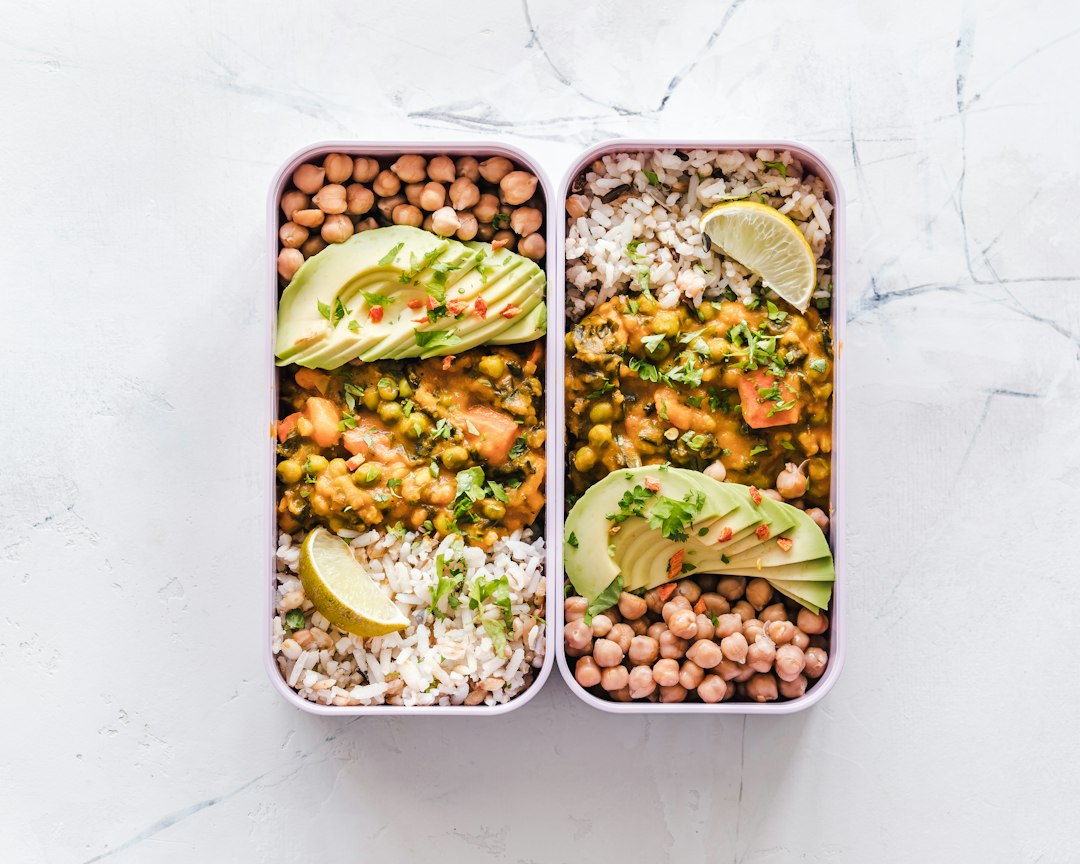
If you searched for high protein vegan meal prep, here’s the quickest path: pick two dense proteins (for example, extra‑firm tofu and lentils), one or two grains (such as quinoa and brown rice), and three vegetables that roast well. Batch‑cook everything in about 60 minutes using a sheet pan plus a rice cooker or a pot, then assemble mix‑and‑match bowls that deliver roughly 25–45 g of protein each.
Keep sauces separate, cool meals before sealing, and store them flat. Most bowls stay fresh for 3–4 days in the fridge, and many components freeze well (tofu changes texture but still works great). Use the protein matrix below to hit your target per meal fast; it shows exactly which combos land at 25, 35, or 45 g with simple portions.
High Protein Vegan Meal Prep: The 60‑Minute Plan (Quick Answer)
Here is the one‑hour rhythm that turns a single hour into four days of satisfying, macro‑smart meals. It’s built for busy weeks and flexible enough to fit different tastes and allergens.
- Choose two protein blocks: examples include extra‑firm tofu, tempeh, seitan, edamame, lentils, chickpeas, black beans, or a vegan “chicken” strip made from soy or pea.
- Choose 1–2 grains: quinoa, brown rice, farro (not gluten‑free), buckwheat, or soba noodles (check ingredients if gluten‑free).
- Choose three vegetables that roast well: broccoli, cauliflower, Brussels sprouts, carrots, sweet potatoes, red onions, bell peppers, zucchini.
- Cook in parallel: rice cooker or pot for grains; sheet pan for tofu and sturdy veg; saucepan for lentils/beans if starting from dry or to simmer canned beans with aromatics.
- Assemble bowls with sauces on the side: tahini lemon, peanut‑ginger, salsa verde, chimichurri, or a simple soy‑free umami glaze.
- Protein targets: use the Build‑a‑Bowl Matrix (later in this guide) to lock in 25, 35, or 45 g quickly.
Time & cost snapshot (typical US grocery pricing; your store may differ): 60–75 minutes active time yields 8–10 servings at about 2.75–4.25 USD per serving. For a deeper meal‑prep overview you can also skim our step‑by‑step guide for busy weeks here: Healthy eating meal prep for busy weeks.
The High‑Protein Building Blocks (What to Buy and Why)
Start with foods that pack the most protein per bite (or per 100 kcal) and hold texture after a few days. Here are the most useful staples and how to think about them.
Top protein blocks (dense, affordable, and batch‑friendly): extra‑firm tofu, tempeh, seitan, edamame, lentils, chickpeas, black beans, vegan chicken‑style pieces, and pea protein powder (optional boost for sauces or smoothies). For variety across the week, rotate soy‑based and legume‑based options, and if you avoid gluten, skip seitan and some soba/farro.
Best grains for fiber and satiety: quinoa (adds bonus protein), brown rice (budget hero), farro (chewy, not gluten‑free), buckwheat (naturally gluten‑free despite the name), and whole‑grain couscous (not gluten‑free). Grains help round out amino acid profiles when paired with legumes over the day.
Roast‑friendly vegetables: broccoli, cauliflower, Brussels sprouts, carrots, sweet potato, red onion, and peppers. They caramelize, resist sogginess, and reheat well. Add fast toppers like baby spinach, cabbage slaw, cherry tomatoes, or scallions to keep bowls bright.
Sauces and seasonings that keep: tahini lemon, peanut‑ginger, gochujang‑maple, harissa yogurt‑style (use dairy‑free yogurt), chimichurri, or simple miso‑maple (use chickpea miso if soy‑free). Store sauces separately in tiny lidded cups to protect textures.
Protein Blocks at a Glance
| Protein | Portion size | Protein (g) | Calories | Cost/portion (USD) | Best cooking method | Freezer‑friendly | Allergens/notes |
|---|---|---|---|---|---|---|---|
| Extra‑firm tofu | 7 oz (200 g) | 22 | 160–180 | ~1.50 | Roast/air‑fry/pan‑sear after pressing | Yes (texture becomes chewier) | Soy |
| Tempeh | 4 oz (113 g) | 20 | 200–220 | ~2.00 | Steam 5 min, then sear/roast | Yes | Soy; some brands add grains |
| Seitan | 4 oz (113 g) | 28 | 130–160 | ~1.80 | Pan‑sear or roast with spices | Yes | Gluten |
| Edamame (shelled) | 1 cup (155 g) | 17 | 180–200 | ~1.50 | Boil/steam; toss with salt & chili | Yes | Soy |
| Lentils, cooked | 1 cup (198 g) | 18 | 220–240 | ~0.60 | Simmer with aromatics | Yes | Legume |
| Chickpeas, cooked | 1 cup (164–170 g) | 14 | 250–280 | ~0.70 | Roast for crunch or simmer saucy | Yes | Legume |
| Black beans, cooked | 1 cup (170–180 g) | 15 | 220–250 | ~0.60 | Simmer with cumin & garlic | Yes | Legume |
| Vegan chicken‑style pieces | 3.5 oz (100 g) | 18–20 | 150–180 | ~2.50 | Pan‑sear with spices | Yes | Soy/pea; check label |
| Pea protein powder | 1 scoop (25–30 g) | 18–22 | 100–140 | ~0.70 | Blend into sauces or shakes | N/A | Use to boost snacks/sauces |
Note: Protein and calorie values are typical estimates; brands and cooking methods vary. Use the ranges as a planning tool rather than a lab reading.
60‑Minute Batch Plan: Step‑by‑Step Timeline
This parallel workflow uses an oven plus a rice cooker (or a pot) and one stovetop burner. It scales well if you double vegetables or cook a second grain.
Minutes 0–10: Set the base
Start grains: rinse 1–2 cups of quinoa or brown rice; add water and start the cooker (or bring to a boil, then simmer covered). Press tofu with a towel or press for 5–10 minutes to drive off moisture. Preheat the oven to 425°F (218°C) with a sheet pan inside for faster crisping.
Minutes 10–30: Sheet‑pan work + simmer
Cube the pressed tofu, toss with 1–2 tsp oil (or aquafaba for oil‑free), 1 tbsp cornstarch, and a spice rub (garlic powder, smoked paprika, black pepper, salt). Add chopped sturdy veg (broccoli, carrots, Brussels sprouts) to a second bowl with a drizzle of oil and salt. Spread tofu and veg onto the hot pan in separate zones. Roast 20–25 minutes, flipping once. Meanwhile, simmer green or brown lentils in vegetable broth with bay leaf and garlic (or warm canned beans with cumin and onion).
Minutes 30–50: Second protein + sauces + fresh cut
Pan‑sear tempeh, seitan, or vegan chicken strips until browned; or air‑fry edamame. Whisk two sauces: e.g., tahini lemon (tahini + lemon + water + garlic + salt) and peanut‑ginger (peanut butter + lime + soy sauce or coconut aminos + ginger + maple). Chop fresh toppers like scallions, cabbage slaw, or cherry tomatoes.
Minutes 50–60: Cool, assemble, label
Fluff grains; spread hot components on sheet pans or plates to cool 10–15 minutes before lidding. Portion grains, then proteins, then veg, leaving headspace and the sauce in separate cups. Label with date and contents.
60‑Minute Prep Timeline: Quick Checklist
- Preheat oven to 425°F and start grains.
- Press/cube tofu; season veg.
- Roast tofu + sturdy veg on a hot sheet pan.
- Simmer lentils or warm seasoned beans.
- Sear/air‑fry second protein; whisk 1–2 sauces.
- Cool components, portion with sauces on the side, label.
Want more general meal‑prep structure? See our flexible guide: Healthy eating meal prep made simple.
High‑Protein Vegan Meal Prep Combos (25–45 g per bowl)
Use these mix‑and‑match ideas to keep flavors moving. Protein and calories below are rounded estimates for a typical bowl (about 2–2.5 cups). Adjust portions to your needs.
- Tofu–Quinoa Power Bowl: 7 oz roasted tofu (~22 g), 3/4 cup quinoa (~6 g), roasted broccoli and carrots, tahini lemon. Approx. 32–35 g protein, 520–580 kcal. Reheat grains + tofu; add sauce after.
- Lentil–Brown Rice Harissa Bowl: 1 cup lentils (~18 g), 1/2 cup brown rice (~3 g), roasted Brussels + red onion, harissa yogurt‑style drizzle. Approx. 25–28 g, 500–560 kcal. Soy‑free; gluten‑free if using GF yogurt.
- Seitan Chimichurri Bowl: 6 oz seitan (~40 g), 1/2 cup farro, peppers + onions, chimichurri. Approx. 45 g+, 600–650 kcal. Swap farro for brown rice for a gluten‑free bowl (but skip seitan if gluten‑free).
- Tempeh Peanut‑Ginger Bowl: 5 oz tempeh (~25 g), 1/2 cup buckwheat, roasted zucchini + mushrooms, peanut‑ginger sauce. Approx. 30–33 g, 550–610 kcal. Soy‑free option: use chickpea tempeh.
- Black Bean–Sweet Potato Salsa Bowl: 1 cup black beans (~15 g), 1/2 cup quinoa (~4 g), roasted sweet potato + corn, salsa + avocado. Approx. 25–27 g, 520–600 kcal. Soy‑free and gluten‑free.
- Edamame Soba Sesame Bowl: 1 cup edamame (~17 g), 3 oz soba (~9 g if 100% buckwheat), shredded cabbage, sesame‑soy dressing. Approx. 26–28 g, 500–560 kcal. Gluten‑free if using 100% buckwheat soba and tamari.
Build‑a‑Bowl Protein Matrix
| Target | Protein block + portion | Grain + portion | Veg/add‑ins | Sauce | Total protein (g) | Calories | Storage notes |
|---|---|---|---|---|---|---|---|
| ~25 g | 1 cup lentils (~18 g) | 1/2 cup quinoa (~4–6 g) | Broccoli + carrots | Tahini lemon | 24–26 | 480–540 | Fridge 3–4 days; freezes well |
| ~35 g | 7 oz tofu (~22 g) | 3/4 cup quinoa (~6 g) | Brussels + onions | Gochujang‑maple | 31–35 | 520–600 | Tofu freezes, texture gets chewier |
| ~45 g | 6 oz seitan (~40 g) | 1/2 cup brown rice (~3 g) | Peppers + spinach | Chimichurri | 43–46 | 600–660 | Skip for gluten‑free; swap with tempeh + lentils |
Soy‑free swaps: use chickpea tempeh, extra beans, or a mix of lentils + quinoa. Gluten‑free swaps: avoid seitan and farro; use rice, quinoa, buckwheat, and 100% buckwheat soba; use tamari or coconut aminos instead of regular soy sauce.
Storage, Reheating, and Texture Tips
Fridge vs. freezer: Most cooked grains, legumes, tofu, tempeh, roasted veg, and seitan hold 3–4 days chilled. Freeze grains and legumes in flat bags or small containers for up to 2–3 months. Tofu and tempeh also freeze; tofu becomes chewier and spongier, which many people like for bowls and stir‑fries.
Cooling & portioning: Always cool hot components uncovered 10–20 minutes before sealing to avoid condensation and soggy textures. Layer grains, then proteins, then veg; keep greens and sauces separate until serving.
Reheating: For crisp edges, reheat tofu/veg in a skillet or air fryer for 3–5 minutes. Microwaves are fine for grains and beans; add a splash of water and cover. Add sauces and fresh greens after reheating.
Containers & labels: Use 3‑compartment or single‑compartment glass containers (3–4 cup capacity) or sturdy BPA‑free plastic. Label with date, protein, and sauce name. Keep sauces in 1–2 oz lidded cups.
Avoiding soggy outcomes: Roast on hot pans, use cornstarch on tofu, avoid crowding (use two pans if needed), and keep dressings off until serving.
Budget & Shopping List for 4 Days (Costs Included)
This list yields about 8–10 bowls. Prices are typical US budget‑store figures and will vary by region and brand.
| Item | Quantity for 4 days | Est. cost | Store (pantry/fridge/freezer) | Notes/subs |
|---|---|---|---|---|
| Extra‑firm tofu | 3 blocks (~14–16 oz each) | $4.50–6.00 | Fridge | Or chickpea tempeh if soy‑free |
| Dry lentils (green/brown) | 1 lb (makes ~5 cups cooked) | $1.50–2.00 | Pantry | Canned lentils save time |
| Quinoa | 2 cups dry | $3.50–5.00 | Pantry | Swap brown rice to save more |
| Brown rice | 2 cups dry | $1.50–2.50 | Pantry | Bulk bin = cheaper |
| Broccoli | 2 large heads | $3.00–4.00 | Fridge | Frozen florets work too |
| Brussels sprouts | 1.5–2 lb | $4.00–6.00 | Fridge | Or cauliflower |
| Sweet potatoes | 3–4 medium | $2.00–3.00 | Pantry | Or carrots |
| Red onion + bell peppers | 2 onions + 3 peppers | $3.00–4.00 | Fridge | Any color peppers |
| Tahini | 1 small jar | $3.50–5.00 | Pantry | Peanut butter as alt sauce base |
| Aromatics/spices | Garlic, ginger, paprika, cumin | $2.00–4.00 | Pantry | Use what you have |
| Limes/lemons | 4–6 pieces | $2.50–4.00 | Fridge | Or bottled juice |
| Sauce cups + labels | 8–12 small cups | $3.00–5.00 | Pantry | Reusable recommended |
Estimated total (8–10 meals): $31–46 → roughly $3.10–$4.60 per serving. Save more by buying store brands, using more beans/rice, and leveraging frozen veg.
Avoid These Common Mistakes (And Easy Fixes)
- Soggy tofu: press 5–10 minutes, dust with 1 tbsp cornstarch per block, preheat the pan, don’t overcrowd.
- Mushy grains: rinse well, measure water carefully (quinoa 1:1.25–1.5; brown rice 1:1.8–2), rest 5 minutes before fluffing.
- Bland bowls: season each layer—salt the roasting veg, spice‑rub the protein, and finish with an assertive sauce and acid (lemon/lime).
- Wet veg: roast on a hot pan at 425°F, use enough space, and avoid stacking steamy veg on grains while still piping hot.
- Allergen traps: check labels on vegan meats (soy/pea/gluten), soba (often wheat‑blended), and sauces (switch to tamari or coconut aminos if needed).
- Oil‑free goals: use aquafaba (chickpea liquid) to help spices stick and still get some crisp edges in the oven or air fryer.
FAQs: Your Top Questions Answered
How do I hit 100 grams of protein a day on a vegan diet with meal prep?
Stack protein across meals and snacks rather than forcing it in one sitting. A typical day could be: breakfast smoothie with pea protein (20–25 g), lunch tofu‑quinoa bowl (30–35 g), snack of edamame or hummus with crackers (10–15 g), and dinner lentil‑rice bowl with extra beans (30–35 g). That pattern lands near 100 g without relying on large portions. The Build‑a‑Bowl Matrix in this guide helps you lock in 25, 35, or 45 g per meal.
What vegan foods have the most protein per serving or per 100 kcal?
Among everyday staples, seitan is one of the most protein‑dense per calorie, followed by extra‑firm tofu and many vegan chicken‑style pieces. For legumes, lentils and edamame are standouts. Per 100 kcal, seitan and tofu usually beat beans, while beans win on fiber and minerals. Rotate them to balance texture, cost, and nutrients across the week.
How long does cooked tofu or tempeh last in the fridge, and can you freeze them?
Cooked tofu and tempeh typically hold 3–4 days in the refrigerator in airtight containers. Both freeze well for 2–3 months; tofu becomes chewier and spongier after thawing, which many people enjoy in bowls, curries, and stir‑fries. Reheat in a skillet or air fryer to revive edges.
What can I use for high protein vegan meal prep if I can’t eat soy?
Lean into lentils, chickpeas, black beans, quinoa, buckwheat, and chickpea‑based tempeh. For soy‑free store options, look for pea‑protein vegan meats and use tamari made from chickpeas or coconut aminos instead of soy sauce. Pair legumes with grains through the day for a well‑rounded amino acid profile.
Is seitan the highest‑protein vegan option and how do I cook it for meal prep?
Seitan is among the highest in protein per calorie, but it contains gluten, so it’s not for everyone. For meal prep, slice or cube seitan, toss with olive oil (optional) and a dry rub (garlic, smoked paprika, black pepper, salt), then pan‑sear until browned or roast at 400–425°F for 12–15 minutes. It holds texture well for 3–4 days chilled and reheats quickly.
Want flavor variety after week one? Browse cozy, protein‑friendly ideas here: Discover the Delicious World of Vegan Comfort Food!
