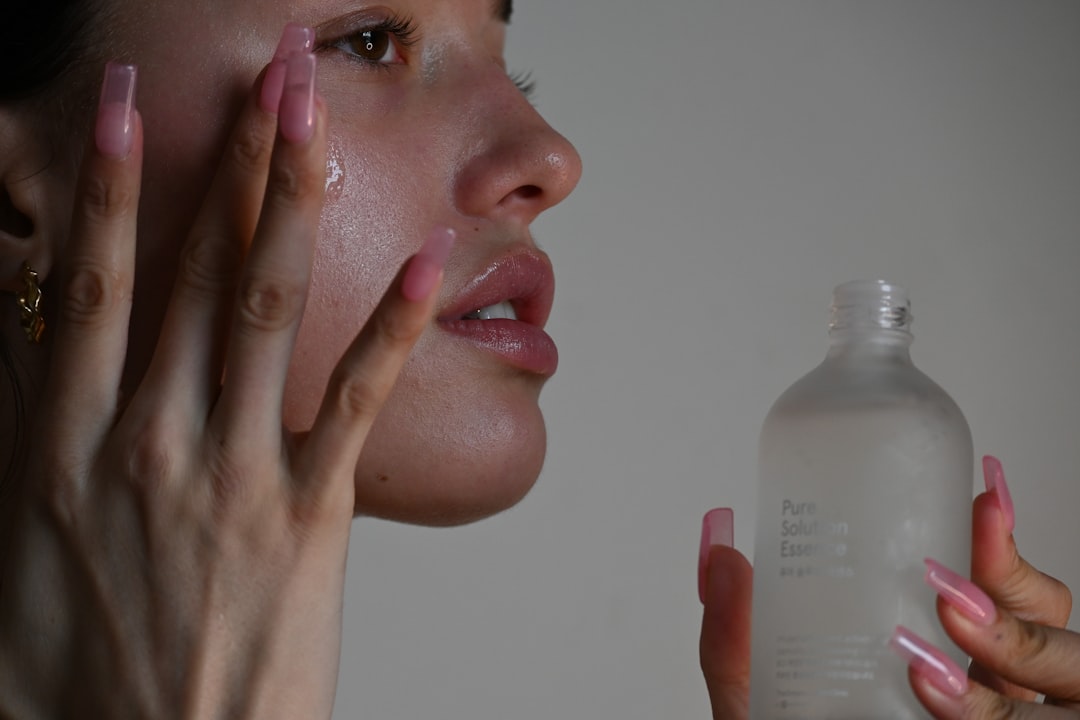
A gentle skincare routine works best when it matches the life you already have. I keep returning to that idea because most people do not need a shelf full of products or a complicated set of rules. They need something calm in the morning, easy at night, and flexible enough to survive travel, late workdays, and the occasional forgotten step. That is the real goal here. A routine that supports comfort, keeps the surface looking fresh, and still feels human.
When I say gentle, I mean low-drama, low-confusion, and easy to repeat. I mean products that feel pleasant to use, steps that make sense in order, and choices that fit your budget instead of draining it. I also mean paying attention to how your skin responds over time, not how an ad says it should look after one dramatic weekend. If you want a broader set of routine ideas, I also keep a running collection in our Beauty & Skincare section.
The reason this matters is simple. A routine only helps if you can keep doing it. The most expensive cleanser in the world is useless if it sits unopened. The fanciest serum is not helpful if you do not like the texture enough to use it every day. So I would rather help you build a small, steady system that feels good than chase a perfect-looking shelf. That approach is usually easier on the skin and easier on the mind.
Start with what your skin feels like, not what the label says
Before buying anything new, pause and notice your current baseline. I like to ask a few plain questions. Does your skin feel comfortable after washing, or does it feel tight? Does it look calm by midday, or does it shift quickly from fresh to shiny? Does a product feel soothing, sticky, heavy, or barely there? Those answers matter more than trend language because they point to what your routine actually needs.
It helps to think in everyday observations rather than labels. Some people prefer a creamier texture. Some do better with a light lotion. Some love a gel because it disappears fast and never feels noticeable. None of those preferences are right or wrong. They simply tell you what your daily care routine can realistically include. When your routine respects those preferences, it becomes much easier to stay consistent.
I also like to separate short-term sensation from long-term pattern. A product can feel lovely the first time you use it and still turn into a nuisance after a week. Another product may feel plain at first and then become the one you reach for every day because it fits your schedule. That is why I keep notes. Not a big spreadsheet. Just a few lines on my phone about texture, comfort, finish, and the time of day I used it.
If you want a simple starting point, think of your baseline in three parts. First, how your skin feels right after cleansing. Second, how it behaves across the middle of the day. Third, how it looks and feels before bed. Those three checkpoints tell you far more than a product page ever will. Once you know them, product selection gets much easier because you are shopping for a lived experience, not a promise.
Build a routine around three anchors
When I want a routine to stay manageable, I start with three anchors. The first is cleansing. The second is moisture. The third is daytime sun care if that fits your routine and environment. That trio covers most of what people need on a normal day without turning the bathroom counter into a science project. If you keep those three steady, anything extra becomes optional rather than essential.
Cleansing should leave you feeling clean, not stripped. That sounds obvious, but plenty of people end up using a cleanser that feels too strong simply because it foams more or looks more serious. A cleanser does not need to feel dramatic to do its job. It should remove the day, rinse easily, and leave your skin ready for the next step. If your face feels squeaky or tight afterward, I would see that as a sign to simplify.
Moisturizer is the part that often makes a routine feel complete. It can add slip, soften the look of the surface, and make the whole process feel more comfortable. Some people like a lightweight lotion in the morning and a richer cream at night. Others use the same product twice a day and are perfectly happy. The key is not to copy someone else’s shelf. It is to choose the texture that feels good in your own hands.
The third anchor is daily sun care when it makes sense for your habits. I keep this framed as part of an ordinary routine rather than a big event. A lightweight sunscreen can sit under makeup, work on its own, and help reduce everyday exposure in a way that feels routine rather than annoying. If a formula feels greasy or casts too much shine, keep looking. A product you dislike will not become more appealing with more pressure.
When these three anchors are in place, the rest of the routine becomes much more forgiving. A serum can be a bonus. A face mask can be a bonus. A richer night cream can be a bonus. But you are no longer building from scratch every day. You are returning to a simple structure that already makes sense.
How a gentle skincare routine fits into busy mornings
A gentle skincare routine for the morning should feel almost boring in the best possible way. I want something I can do half awake without second-guessing every step. That usually means a quick cleanse if needed, a lightweight layer of moisture, and sun care if that is part of your day. If my schedule is packed, I do not want ten decisions before coffee. I want a few steps I can trust.
Morning is where people often overcomplicate things. They see a line of products and think every one of them must be used every day. That is rarely true. A morning routine works better when it is shaped by the day ahead. If I know I will be indoors most of the time, I might keep the routine very light. If I know I will be outside, I might choose a sunscreen that feels comfortable enough to reapply without complaint.
Texture matters a lot here. A morning product should disappear fast, layer cleanly under makeup if you use it, and not leave you staring at your own reflection wondering whether it is too much. I like lighter textures in the morning because they feel less like a project. That does not make them better for everyone, but it does make them easier for people who want a routine they can repeat without effort.
Another thing I pay attention to is timing. If a routine feels rushed, it starts to feel like a chore. So I try to keep the number of steps aligned with how much time I actually have. On weekdays, that may be as simple as cleanse, moisturize, sun care. On slower weekends, I might add a serum if I want to. The routine is still gentle either way because I am not forcing a heavy schedule onto a normal morning.
Here is the version I reach for when time is tight.
- Rinse or cleanse only if the skin actually feels like it needs it
- Use one lightweight moisturizer that disappears cleanly
- Apply sun care if the day includes outdoor time or long window exposure
- Keep makeup optional, not mandatory
The best morning routine is the one that gets done. That sounds almost too plain to matter, but it matters a lot. You do not need a theatrical start to the day. You need a comfortable one.
Keep the evening rhythm light
Night routines are where people often try to do too much. They come home tired, open a few products, and then decide the answer is to add more steps. I usually go the other way. I want evening to feel like a reset, not a performance. The point is to clear the day off the skin, add comfort, and let the routine settle down with me.
For many people, evening starts with a cleanser that can handle makeup, sunscreen, and general city life without making the skin feel overworked. If your day was light, a single cleanse might be enough. If your day was heavier, you might prefer a two-step cleanse. The important part is not the trend. It is how the skin feels after rinsing. I want clean, calm, and ready for the next layer.
After cleansing, I usually ask whether the skin wants something simple or something richer. Some nights call for a light lotion. Other nights feel better with a creamier layer because the air is dry or the day was long. I do not see the evening routine as a place to prove anything. I see it as a place to listen. That mindset keeps the routine from turning into clutter.
If you use one active product, evening is often the easiest place to keep it. But even then, I think the best rule is to start slowly and keep the rest of the routine calm. One new product at a time is easier to understand. If the texture feels fine and the rhythm stays easy, then you can decide whether it earns a permanent place.
Night is also a good time for a small reset in the environment itself. Fresh pillowcases, a clean towel, and a bathroom counter that is not overflowing can change how the whole routine feels. Those details sound minor until you live with them. Then they become part of why the routine feels gentle instead of crowded.
I like an evening routine that ends in a way that tells my brain the day is done. Not because I am chasing perfection, but because a consistent signal helps the habit stick. When the last step feels calm, I am more likely to come back to it tomorrow.
Ingredient awareness without the noise
Ingredients can be helpful, but only if they help you make clearer choices. I do not think everyone needs to memorize a giant list. I do think it helps to know a few basic families so you can understand why a product feels the way it does. Humectants draw in water. Emollients help the surface feel smoother. Occlusives help hold moisture in place. Once you understand that much, ingredient lists become less mysterious.
I also like to read ingredients through the lens of comfort. If a formula is full of things that sound exciting but feels uncomfortable on your skin, then excitement is not the right goal. Comfort is. A gentle skincare routine usually works better when the ingredients are chosen for how they behave together, not for how dramatic they sound on a label. That is why I pay attention to the first few uses instead of assuming a product will somehow become a favorite later.
Actives are another area where people can get overwhelmed. There is always a temptation to add multiple strong steps because each one sounds useful on its own. But more is not automatically better. If you decide to use a stronger product, introduce it slowly and pay attention to how your skin feels over several days. A steady approach is easier to understand and easier to keep up with.
Fragrance is personal too. Some people enjoy it. Some people want to avoid it because they prefer the fewest possible extras. I am not interested in turning that into a universal rule. I am interested in honest comparison. If a fragrance-free version feels calmer and a fragranced version feels more enjoyable, then your own experience tells you which one belongs on your shelf.
If you want a practical method, look at products in this order.
- What is the texture?
- How strong is the scent?
- How long does the finish stay on the skin?
- Does the ingredient list feel focused or crowded?
Those questions help you select products in a way that matches daily life instead of trend culture. I find that approach much more useful than chasing ingredient chatter online.
Layering products in a way that makes sense
Product order does not need to be difficult. I usually think from thinnest to richest, then adjust based on the feel of the formula. A cleanser comes first. A watery serum, if you use one, comes before a cream. A moisturizer follows. Sun care belongs in the morning as the final step before makeup or before you head out the door. That order keeps things logical and helps each layer sit better on the one before it.
The real trick is not memorizing a chart. It is noticing whether the layers work together. If a product pills, slides around, or feels too crowded when combined with the next one, I would adjust the texture or reduce the number of steps. A gentle skincare routine should not feel like you are wrestling with your own face. It should feel smooth enough that you can move through it without stopping to troubleshoot every morning.
I also keep in mind that not every step needs to be daily. A serum can be used a few times a week. A richer cream can be used only on evenings when the air feels dry. A face mask can be saved for a slower night. This is where many people make life harder than it needs to be. They assume if a product exists, it must be used constantly. That turns a routine into a burden. I prefer product rotation with intention.
One practical note I always give is to let each layer settle for a moment if your routine feels crowded. You do not need to stand around for ages. Just give the formula a short pause before the next step. That small habit can make the whole routine feel calmer and more controlled. If you wear makeup, it can also help the surface feel more even before you begin.
The goal is not to look technical. The goal is to make the routine feel effortless enough that you stop thinking about it so much. When that happens, consistency usually gets easier. I would rather have a routine that looks plain and gets done than one that looks impressive and quietly falls apart.
Seasonal shifts, travel, and changing environments
My routine changes when the weather changes, and that is normal. The same products that feel great in one season can feel too light or too heavy in another. I do not see that as a failure. I see it as a sign that your routine is responding to real conditions. Dry indoor air, humid summer days, wind, flights, and hotel towels all change how skin feels. A thoughtful routine should be able to move with that.
In colder months, I usually lean toward formulas that feel a little more comforting. Nothing dramatic, just a texture that stays pleasant when the air is dry or the heater is on. In warmer months, I usually want lighter layers and simpler finishes. That does not mean I overhaul the whole shelf. It just means I pay attention to weight and texture. Sometimes the smallest adjustment makes the biggest difference.
Travel is another moment when a gentle approach matters. I like to pack a short list instead of my full routine. One cleanser. One moisturizer. One sun care product. Maybe one extra item if I know I will want it. That is enough for most trips. Travel is not the time to experiment with a whole new lineup. It is the time to keep things familiar so your routine remains steady even when your schedule is not.
Environmental changes matter in daily life too. Office air, long commutes, gym showers, and late nights all affect how your products feel. Instead of reacting to every shift with a new purchase, I try to make small adjustments first. Maybe I use a creamier texture on dry days. Maybe I simplify when I am busy. Maybe I keep a travel-sized moisturizer in my bag. Those tiny changes help the routine stay realistic.
A useful way to think about this is not in terms of perfect products, but in terms of product roles. You need a cleanser that fits the day, a moisturizer that matches the climate, and a sun care formula that you do not mind wearing. If one role stops feeling right, you can swap that single piece instead of rebuilding everything. That keeps the routine grounded and much easier to sustain.
Patch testing and comfort checks
When I add something new, I like to test it before I make it part of the full routine. Patch testing sounds more complicated than it is. It simply means trying a small amount in a limited way and watching how it feels over time. I prefer that approach because it gives me a chance to notice texture, scent, and comfort without turning the whole face routine upside down.
The first thing I look for is immediate comfort. Does the product feel pleasant or awkward? Does it sink in well, or does it sit on top in a way that makes me want to wash it off? Then I watch the next few uses. I am not looking for a dramatic story. I am looking for a quiet pattern. Does the product keep feeling fine? Does it fit the rest of the routine? Does it make the morning easier or harder?
I also pay attention to the routine around the product, not just the product itself. Sometimes a formula feels off because the layer underneath it was too rich, or because I used too many steps at once. That is why I like introducing one new item at a time. It keeps the feedback clear. If two things change at once, it becomes hard to know what caused the shift.
Comfort checks are just as important after a product has earned a place on the shelf. I still ask whether it feels good this week, not just whether I liked it once. Skin, weather, sleep, and schedule all change the experience. A gentle skincare routine is not built on one perfect day. It is built on small checks that keep the routine honest.
That is also why I do not chase perfection on day one. I would rather notice a small mismatch early than force myself to finish a full bottle I do not enjoy. The more honest you are about comfort, the better your routine becomes. If something feels awkward three times in a row, I usually stop pretending it will turn into a favorite on its own.
A short checklist helps here too.
- Try the new product in a limited way first
- Keep the rest of the routine steady while you test it
- Notice texture, scent, and finish over several uses
- Watch whether the routine feels easier or more crowded
This kind of checking keeps the routine calm and avoids a lot of unnecessary frustration.
Shopping without overspending
One of the biggest myths in skincare is that better always means more expensive. I do not find that to be true. Some of the most useful products in my routine have been simple, unfussy, and reasonably priced. What matters more is whether a product fits your skin, your habits, and your budget. If it does, it has earned its place. If it does not, the price tag is irrelevant.
When I shop, I try to separate marketing language from practical value. A product may sound luxurious, but does it feel good to use every day? Is the texture comfortable? Is the package easy to handle? Does it fit the season you are in? Those questions tell you more than the name on the front. I want useful details, not just polished packaging.
I also like to compare products based on how often I will actually use them. A rich cream that only suits me once a week might be worth it if that is its job. A daily lotion, on the other hand, should feel pleasant enough that I never dread reaching for it. That distinction helps me spend money with more intention. I am not buying everything. I am buying what I will actually finish.
Samples and smaller sizes can be useful if they are available. They reduce the pressure to commit too early. If I can try a texture for a week before choosing a full size, I learn much faster. If samples are not available, I look for retailers with clear return policies and enough product information to compare options honestly. Buying blindly is where a lot of frustration starts.
For readers who like structured shopping, I would use this rule.
- Buy fewer things
- Choose them carefully
- Let the routine prove itself before adding more
That method usually saves money and keeps the bathroom counter less crowded. It also makes your choices easier to trust, because you can actually see what earns a place in the routine instead of what just looked appealing on a screen.
Common habits that make routines harder
Most routine problems are not caused by one bad product. They are caused by habits that quietly make the whole process harder. One of the biggest is adding too many steps at once. Another is switching products too quickly. A third is copying someone else’s routine without checking whether it matches your own schedule. These habits create noise, and noise makes it hard to tell what is actually helping.
I also see people get stuck because they choose products they admire rather than products they enjoy using. Admiration is nice. Daily use is what matters. If the texture feels awkward, the scent feels distracting, or the routine takes too long, it will slowly lose its place in your day. That is why I keep coming back to comfort and practicality. They are not boring ideas. They are what make the routine stick.
Another common issue is treating every new concern like a reason to rebuild everything. That usually leads to a shelf full of half-used products and a lot of frustration. I prefer a calmer response. Start with the basics. Change one thing. Give it time. Look at the overall pattern. The routine becomes easier to manage when each decision is small enough to understand.
And then there is the habit of ignoring the routine when life gets busy, only to start over from scratch later. I do not think that is realistic. Busy weeks happen. Travel happens. Late nights happen. A flexible routine should survive those shifts. Even a reduced version, done consistently, is more useful than a perfect version that disappears the moment your calendar gets messy.
If you want a simple edit check, ask yourself whether your routine feels supportive or demanding. If it feels demanding, something is off. Usually the fix is not more effort. It is fewer steps, better timing, or a product choice that fits your actual life. A routine should feel like a small piece of order, not another task asking for attention.
When to speak with a dermatologist
There are times when a routine question is bigger than a shelf question, and that is when I think speaking with a dermatologist makes sense. I see that as a practical step, not a dramatic one. If your skin feels persistently uncomfortable, or if you are unsure how to interpret a repeated reaction, a dermatologist can help you sort through the options with more context than a product review ever could.
I also think it is worth speaking with a dermatologist when you want a second opinion on ingredient choices or when your routine keeps feeling confusing no matter how simple you make it. Sometimes the issue is not your effort. Sometimes it is the fact that the products you tried were never a good match for your situation. A professional conversation can save a lot of trial and error.
This is where I like to keep the distinction clear. An at-home routine is for daily care, comfort, and appearance support. A dermatologist visit is for guidance when the picture is not clear or when you want more individualized advice. Those two things work well together. One does not replace the other, and one should not be asked to do everything.
If you do make that appointment, bring notes. Write down the products you use, how often you use them, and what your skin feels like in different conditions. That information makes the conversation more useful. It also helps the dermatologist understand whether the issue is a product mismatch, a layering issue, or something else entirely.
I like to think of that visit as a reset point. You are not starting from zero. You are bringing real observations and using them to make the routine more sensible. And when you return to your shelf afterward, you can keep the pieces that actually fit instead of guessing in the dark.
The version of a gentle skincare routine that lasts is not the one with the most steps. It is the one that stays comfortable enough to repeat. If the cleanser feels right, the moisturizer fits the weather, and the sun care formula does not make you dread the morning, you already have the important parts in place. Everything else is just refinement, and refinement works best when it stays calm.
