Building a closet that works every day starts with a capsule wardrobe checklist. This simple, practical approach helps you decide what to keep, what to buy, and how to wear it so you spend less time deciding and more time living, no matter the season or your schedule.
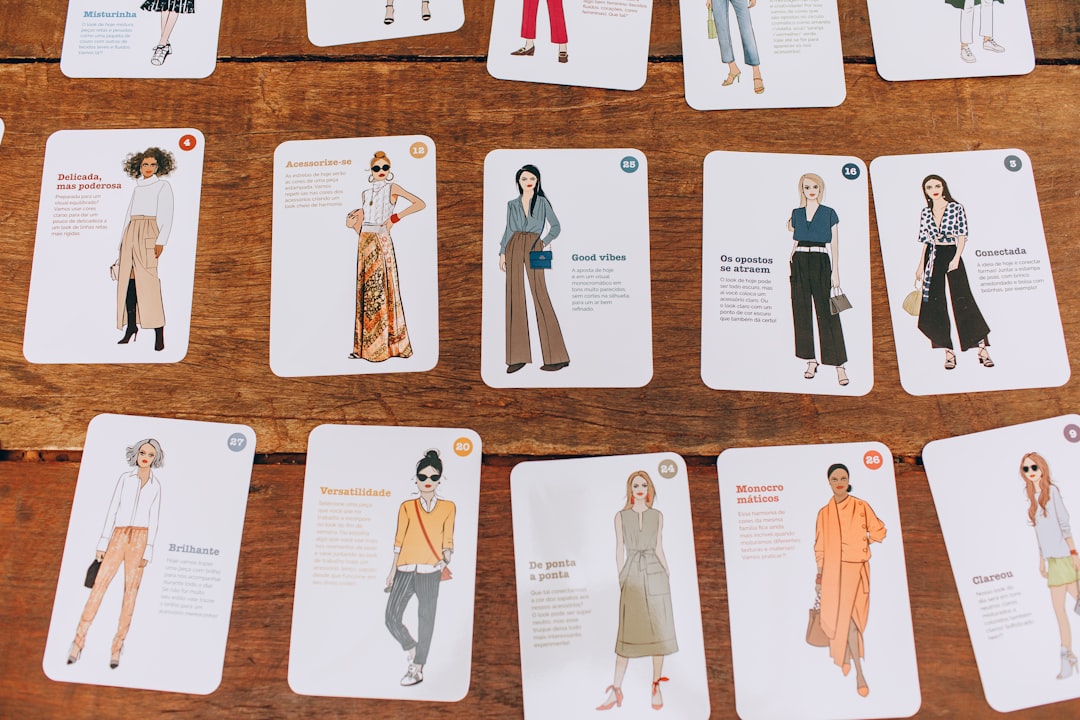
capsule wardrobe checklist: What a capsule wardrobe really is (and what it isn’t)
A capsule wardrobe is a focused set of versatile pieces that mix and match to cover the majority of your weekly life. Think of it like a tool roll for your style: you choose the tools that solve most of your daily tasks, keep them in good condition, and reach for them without hunting through clutter. This does not mean your closet needs to be tiny, colorless, or rigid. It means the core you rely on is edited, functional, and intentionally built around the way you live right now.
Here is what a capsule does for you in practice:
- Clarifies your style: With fewer, better pieces on rotation, a consistent look emerges naturally.
- Saves time: You spend minutes, not half an hour, building outfits because almost everything works together.
- Maximizes value: You wear favorites more often, so cost per wear drops and each purchase earns its keep.
- Simplifies care: Fewer materials and silhouettes to manage means easier laundry, smarter storage, and less damage.
- Reduces clutter: Drawers close easily, hangers slide freely, and you can see everything at a glance.
Equally important is what a capsule is not. It is not a universal rulebook, a strict number, or a one-size-fits-all aesthetic. A capsule can include color, prints, and personality. It can evolve with your job, climate, body, and hobbies. Some people run lean at 25 core pieces; others feel best with 40. The common thread is intentionality: each item has a purpose, fits the palette, and supports your routines.
To get started, sketch a quick map of your week. List what you actually do most days: work or school, commute, childcare, errands, workouts, social time, and special events. If most of your week is smart casual with a few dressy moments, your capsule should reflect that balance. If your calendar splits between fieldwork and office meetings, you’ll prioritize durable fabrics and clean layers. The closer your capsule mirrors your life, the more useful it becomes.
Capsule wardrobe checklist: the core 24 pieces
Use this checklist as a flexible baseline and adjust the counts by climate, dress code, and personal taste. The aim is coverage across tops, layers, bottoms, one-piece outfits, and shoes, plus a few finishing touches. You can keep this structure all year and swap fabric weights by season.
Tops (6)
- White tee (crew or v-neck): Crisp neckline, mid-weight cotton or cotton-modal.
- Dark tee (black, charcoal, or navy): Adds depth and contrast under lighter layers.
- Striped or subtle-print tee: Breaks up solids; choose a thin stripe for easy pairing.
- Elevated tank or bodysuit: Clean silhouette for hot days and seamless layering.
- Oxford or poplin button-up: Relaxed fit, great half-tucked with denim or trousers.
- Drapey blouse or silk-look top: Fast polish for meetings and dinners.
Layers (5)
- Neutral blazer: Relaxed tailoring that fits over tees and light knits.
- Cardigan or knit jacket: Soft structure to handle temperature swings.
- Medium-weight sweater: Crew, mock neck, or polo knit in a neutral or signature color.
- Utility or denim jacket: Adds texture and casual backbone.
- Seasonal outer layer: Trench (mild), quilted liner (transitional), or wool coat (cold).
Bottoms (5)
- Straight or slim jeans (mid/dark wash): The everyday hero silhouette.
- Relaxed or wide-leg jeans or chinos: Modern ease; balance with fitted tops.
- Tailored trouser (black/navy/charcoal): Office-ready, also dresses down with sneakers.
- Casual trouser or cargo pant: Off-duty balance and texture.
- Skirt (slip or A-line): Optional, but powerful for variety and layering.
One-piece outfits (3)
- Day dress or shirt dress: Breathable fabric, movement, and your preferred length.
- Slip dress or sweater dress: Dresses up or down with shoes and accessories.
- Optional jumpsuit: A quick outfit that reads intentional with minimal effort.
Shoes (3)
- Clean sneakers (white or neutral): Low profile, match almost everything.
- Loafers, flats, or sleek mules: Polished comfort for office and errands.
- Ankle boots (cool months) or sandals (warm months): Seasonal anchor shoe.
Finishing pieces (2–3)
- Everyday bag: Crossbody or structured tote sized for your carry.
- Belt (medium width): Pulls outfits together, especially with tucks.
- Signature accessory: Watch, cuff, or scarf you love and actually wear.
Why 24? It provides room for coverage across categories while staying edited enough to see everything at once. If you know you live in knits, slide one slot from dresses to sweaters. If you rarely wear skirts, move that slot to a second trouser. The checklist serves you—not the other way around.
Color, fabric, and fit: make mixing easy
When colors cooperate, fabrics suit your climate, and silhouettes balance, you unlock effortless mixing. The quickest path is to create a palette, favor compatible textures, and tailor the small details.
Build a workable palette
- Choose 2–3 base neutrals: Black, navy, charcoal, camel, tan, or chocolate.
- Add 1–2 support neutrals: Oatmeal, ivory, olive, stone, or denim blue.
- Pick 1–2 accents: A favorite shade (e.g., powder blue, forest, terracotta) that appears in one knit or accessory.
Run a 5-piece test on your bed: blazer, trousers, jeans, and two tops. If every top pairs with each bottom and the blazer, your palette works. If one item clashes, adjust that item’s color or lighten its saturation to harmonize.
Select fabrics that fit your calendar
- Tees: Mid-weight cotton jersey or cotton-modal; avoid necklines that curl.
- Shirts and blouses: Poplin, oxford, tencel, or a silk-look synthetic that resists wrinkles.
- Trousers: Wool blends for cold months; cotton twill, tencel, or technical blends for mild; linen for heat.
- Knits: Merino, cotton-cashmere blends, or sturdy synthetics that keep shape.
- Outer layers: Trench, waxed cotton, or lightweight down/quilt for shoulder seasons; wool or insulated shells for winter.
Fabrics control comfort and longevity. If you run warm, prioritize breathable weaves and moisture-wicking blends. If your days swing between air-conditioned offices and hot sidewalks, carry a compact layer and choose materials that recover well after being folded in a bag.
Fit and proportion checks that pay off
- Shoulder seams: Align with the bony edge of your shoulder; droop reads sloppy, strain looks tight.
- Sleeve length: End at wrist bone for shirts and blazers; slightly cropped knits elevate simple outfits.
- Rise and seat: Sit, squat, and walk; you should move freely with no digging.
- Balance: Pair volume with structure—wide bottoms with closer tops; roomy sweaters with slim or straight bottoms.
- Tailor the keepers: Hem trousers, nip waists, or shorten sleeves; a $20 change can add years of wear.
If you like numbers, record favorite measurements from your best-fitting garments (shoulder width, chest, waist, rise, inseam). Keep them in your notes app so online shopping becomes a comparison game, not a guess.
Seasonal swap strategy (stay consistent, swap smart)
Keep the checklist structure and rotate materials, weights, and a few accents as temperatures shift. You’ll preserve your outfit logic while staying comfortable.
Spring
- Outerwear: Light trench or mac; utility jacket for casual days.
- Layers: Cotton cardigans, breathable knits; long-sleeve tees under blazers.
- Bottoms: Chinos and mid-weight denim; ankle-skimming lengths feel fresh.
- Shoes: Loafers or low-profile sneakers.
- Accents: Soft sage, powder blue, butter yellow, or blush.
Summer
- Outerwear: Minimal—light blazer for AC-prone offices or evenings.
- Layers: Linen shirts, silk-look camis, breezy dresses.
- Bottoms: Linen trousers, relaxed chinos, lightweight denim.
- Shoes: Leather sandals or sleek slides; breathable socks with sneakers.
- Accents: Terracotta, navy, bright white, sea-glass tones.
Fall
- Outerwear: Light quilted jacket, chore coat, or utility coat.
- Layers: Merino or cotton-cashmere knits; add texture with ribbing or cables.
- Bottoms: Heavier denim, tailored trousers; introduce corduroy or moleskin if you like.
- Shoes: Ankle boots return; weather-proofing helps.
- Accents: Camel, olive, chocolate, and warm neutrals.
Winter
- Outerwear: Wool coat or insulated parka depending on climate.
- Layers: Heavier knits; thin heat-tech base layers under shirts and trousers for warmth without bulk.
- Bottoms: Lined trousers or thicker denim; consider flannel shirts in colder regions.
- Shoes: Weather-ready boots and quality socks.
- Accents: Deep burgundy, forest, or ink blue anchored by charcoal, black, and oatmeal.
Store off-season pieces clean, folded or hung with structure, and labeled. Clear bins or garment bags reduce dust and make the seasonal swap a 30-minute job instead of a half-day project.
Outfit formulas for work, weekend, and events
Your capsule becomes powerful when a few formulas stretch across your week. Start with the base combination, then change shoes, jewelry, or a layer to shift the tone.
- Office ready: Blazer + drapey blouse + tailored trouser + loafers. Swap loafers for low heels or smart mules for presentations.
- Smart casual: Cardigan + striped tee + straight jeans + flats or loafers. Add a belt and structured bag for polish.
- Creative casual: Utility jacket + white tee + relaxed jeans + clean sneakers. Insert a silk scarf and cuff bracelet if you want more presence.
- Meeting to dinner: Blazer + mock-neck knit + black jeans + ankle boots. Jewelry shifts the energy; keep it minimal for meetings, bolder for dinner.
- Weekend brunch: Slip dress + cropped cardigan + sandals (warm) or boots (cool). Layer with a denim jacket for texture.
- Evening simple: Slip dress + blazer + ankle boots. Switch to a strappy sandal if the weather allows.
- Errands and travel: Tee + chinos + sneakers + knit jacket; crossbody bag keeps hands free.
Different dress codes benefit from small material choices. For formal-leaning offices, use wool trousers and silk-look blouses. In casual workplaces, sub in chinos, dark denim, and knit polos. If your day includes a last-minute dinner, bring a compact accessory kit (cuff bracelet, earrings, lipstick or tinted balm) in your work bag—two minutes in the restroom is all it takes to shift an outfit’s mood.
Building for different lifestyles and roles
No two capsules look exactly the same, and that is the point. The framework stays steady while specific items change to fit your tasks, terrain, and preferences.
- Hybrid office: Keep one blazer, one knit jacket, two trousers, and two jeans ready. A dress and slip skirt cover presentations and dinners without requiring a separate “special occasion” closet.
- Remote work: Comfort-forward fabrics, structured knits, and polished necklines. Video calls reward clean shoulders and tidy collars. Keep a blazer near your desk for instant authority.
- Hands-on or outdoor work: Technical overshirts, performance trousers, and durable fabrics that wash easily and dry fast. Shoes matter most; invest in comfort and weather resistance.
- Parents of young kids: Easy-care fabrics, washable shoes, and layers that move. Utility jackets, ribbed knits, and dark denim hide fingerprints, spills, and playground dust.
- Students: Backpacks over totes, sneakers that handle mileage, and layers built for lecture halls and late-night study rooms. A compact, versatile coat is worth the splurge.
- Event-heavy weeks: Keep one reliable dress and dressier shoes you can walk in. Upgrade with jewelry, a belt, and a small shoulder bag rather than buying single-use outfits.
Life changes; your capsule can change with it. When a new role or routine starts, list the top three clothing tasks it introduces—maybe more formal meetings, longer commutes, or lab time—and swap 2–4 pieces to support that reality. Small changes keep the system working without an overhaul.
Budgeting and shopping smart (without the guilt spiral)
Buying deliberately is simpler when you set a plan, track wear, and mix sources. A capsule is not about restriction; it is about clarity.
- Set a seasonal envelope: Choose a realistic quarterly budget. Spend more during the transitional seasons when gaps show up.
- Use cost per wear: Estimate uses per year and total years you expect to wear the item. A $220 blazer worn weekly for two years (~100 wears) costs $2.20 per wear, often better value than three $70 tops that get little use.
- Plan shopping windows: Audit and plan in early spring and early fall. Buy during targeted windows instead of impulse scrolling late at night.
- Mix sources: Retail, outlet, consignment, and resale apps all play a role. Tailoring a great secondhand find is often smarter than settling for a mediocre full-price piece.
- Create a small “experiments” fund: Try a trend color or new silhouette with a set amount so curiosity does not derail your structure.
Watch for common budget traps: duplicates (three near-identical white tees), end-of-season steals that do not match your palette, and one-off event outfits. Keep a notes app wardrobe tracker with five columns: item, price, estimated wears this season, comfort score, and compliments/comments. Patterns will tell you what to buy again and what to skip.
Care, storage, and repair: keep your capsule in rotation
Well-cared-for clothes look better, last longer, and stay ready. A light-touch routine is often enough; most pieces benefit from rest and airing more than heavy washing.
- Air between wears: Hang items on a rack overnight to release wrinkles and odors.
- Brush and shave: A garment brush lifts surface dust and refreshes wool. A knit shaver removes pills on sweaters and coat sleeves.
- Launder smarter: Wash tees and shirts when needed; spot-clean knits and blazers. Use mesh bags for delicates and close zippers to protect fabrics.
- Drying discipline: Avoid over-drying. Lay knits flat, hang shirts on slim velvet hangers, and tumble only when the care label allows.
- Shoe rotation: Alternate pairs to let them dry fully. Wipe leather, condition as needed, and replace heel caps before they wear through.
- Quick repair kit: Extra buttons, needle and thread, fusible tape, and iron-on patches for fast fixes that extend life.
Seasonal storage is part of care. Clean pieces before storing, use breathable bins or garment bags, and add cedar blocks or lavender sachets to discourage fabric pests. Label boxes by category so the first cold snap or heat wave becomes a quick, satisfying swap instead of a hunt.
Travel capsule: carry-on systems that work
Pack by formula, not by feel. A small, coherent travel capsule covers your itinerary without overflowing your bag. Use packing cubes by category (tops, bottoms, layers, underthings) and a dedicated tech pouch so the rest of your suitcase stays orderly.
- Three-day city break: 3 tops (white tee, striped tee, blouse), 1–2 bottoms (jeans, trouser or chino), 1 layer (blazer or knit jacket), 1 dress, 2 shoes (sneakers + loafers or boots), belt, small scarf, compact crossbody.
- Seven-day mixed itinerary: 4 tops, 2 layers, 3 bottoms, 1–2 one-piece outfits, 2 shoes, small accessory kit. Everything should match everything.
- Work trip: Keep the blazer, a wrinkle-resistant blouse, one trouser and one dark jean, and a dress that shifts from day to dinner with a jewelry change.
- Warm-weather vacation: Swap trousers for linen pants and a breezy dress; sandals replace boots. Light fabrics dry fast if you hand-wash.
- Cold-weather travel: Merino base layers shrink the packing list; repeat outer layers and rotate two sweaters.
On travel days, wear your bulkiest shoes and layer the blazer or knit jacket over a tee. Leave extra space in your bag for souvenirs and the odd grocery visit; a compact tote inside your luggage handles overflow without becoming a third bag at the gate.
Two-week outfit calendar from a small capsule
Here is a sample 14-day rotation drawn from the checklist. Assume a palette of black, charcoal, camel, and denim with a powder blue accent. Sneakers for casual days, loafers for polished moments, and ankle boots in cool weather. Adjust to your climate and dress code.
- Day 1: White tee + straight jeans + blazer + loafers.
- Day 2: Blouse + tailored trousers + cardigan + flats.
- Day 3: Striped tee + relaxed jeans + utility jacket + sneakers.
- Day 4: Slip dress + sweater (as top) + ankle boots.
- Day 5: Poplin shirt + chinos + belt + loafers.
- Day 6: Tank + wide-leg jeans + cardigan + sneakers.
- Day 7: Shirt dress + denim jacket + flats.
- Day 8: Mock-neck knit + tailored trouser + blazer + loafers.
- Day 9: White tee + cargo-style trouser + utility jacket + sneakers.
- Day 10: Blouse half-tucked into jeans + belt + ankle boots.
- Day 11: Tank under poplin shirt (open) + chinos + sandals or sneakers.
- Day 12: Sweater + slip skirt (or dress worn as skirt) + flats.
- Day 13: Blazer + striped tee + black jeans + loafers.
- Day 14: Cardigan over day dress + belt + boots or flats.
Notice the rotation: blazer, cardigan, trousers, and two pairs of jeans do much of the heavy lifting. If something is at the cleaner’s or in the wash, a parallel piece fills in without breaking your system. Keep snapshots of favorite combinations in your phone so busy mornings become fast repeats, not fresh puzzles.
Troubleshooting and pro tips
Even with a plan, small snags appear. These quick fixes keep momentum without ballooning your closet.
- Duplicate buying: Institute one-in, one-out by category. If you bring home a tee, release the tee you wear least.
- Flat color story: Introduce a textured neutral (rib knit, herringbone, boucle) and one accent color in a knit or scarf.
- Outfits feel unfinished: Add a belt, cuff bracelet, or small scarf. These finishing touches often make simple formulas look intentional.
- Boredom: Shift silhouette ratios—trade slim bottoms for straight or wide, and crop your knit or half-tuck your shirt.
- Footwear mismatch: Shoes set the tone. Sleek sneakers modernize trousers; ankle boots sharpen a dress; loafers clean up denim.
- Fit fatigue: If an item is close but not great, tailor it. Hemming, shortening sleeves, or adjusting a waist can unlock consistent wear.
- Laundry bottlenecks: Buy a second of your most-worn tee or tank in the exact fabric and fit. Choose materials that air out well between wears.
- Changing size: Elastic-back trousers, wrap dresses, and knits with gentle stretch keep your capsule flexible.
- Quality check: Look for aligned seams, secure buttons, finished hems, and tight, even stitching. Avoid thin pocket linings that twist in the wash.
- Sustainable choices: Repeat wear is the greenest habit. Buy pre-loved when it makes sense (coats, denim, occasion dresses), care thoughtfully, and repair before replacing.
If you routinely skip an item, ask why: color, fit, fabric, or function? Correct the reason rather than forcing yourself to wear it. If the fix is small, tailor. If it is fundamental, resell or donate. A capsule thrives when every piece earns its space.
30-day action plan to build your capsule
Want a calm closet next month? Follow this practical, low-stress plan. Keep a notes app ready for measurements, outfit photos, and shopping lists.
- Days 1–3: Empty, edit, and reset. Only put back what fits, feels good, and aligns with your color story. Box the rest for now.
- Days 4–6: Wear your edited rack exclusively. Notice gaps: a drapey blouse for dinners, a weather-ready boot, or a clean belt.
- Days 7–10: Mix combinations you have not tried. Blazer with jeans and trousers; cardigan with a dress and denim; blouse with chinos and skirts.
- Days 11–14: Choose the top two gaps to fill and buy within your budget envelope. Each new piece should pair with at least three items you already own.
- Days 15–18: Fine-tune fits. Hem trousers, shorten sleeves, replace uncomfortable waistbands. Comfortable pieces get worn; fussy pieces do not.
- Days 19–22: Capture 7–10 outfit formulas that feel like you. Write them on a card or in your phone. Tape the card inside your closet door.
- Days 23–25: Seasonal prep. Rotate in the right outer layer, swap fabric weights, and refresh your shoe care.
- Days 26–28: Responsible refresh. Add one textured neutral or one accent knit for interest. Keep to your palette so mixing stays easy.
- Days 29–30: Reopen the box from Week 1. Pull back anything you truly missed; release the rest through donation, resale, or clothing swaps.
Bookmark the outfit formulas that worked best, then build next month’s calendar around them. If you want ongoing outfit ideas and seasonal checklists in the same spirit, browse Fashion & Style on our site: mstyle4life.com/category/fashion-style/. A capsule wardrobe is less about rules and more about rhythm—getting dressed with ease, expressing yourself with clarity, and wearing what you love on repeat.
