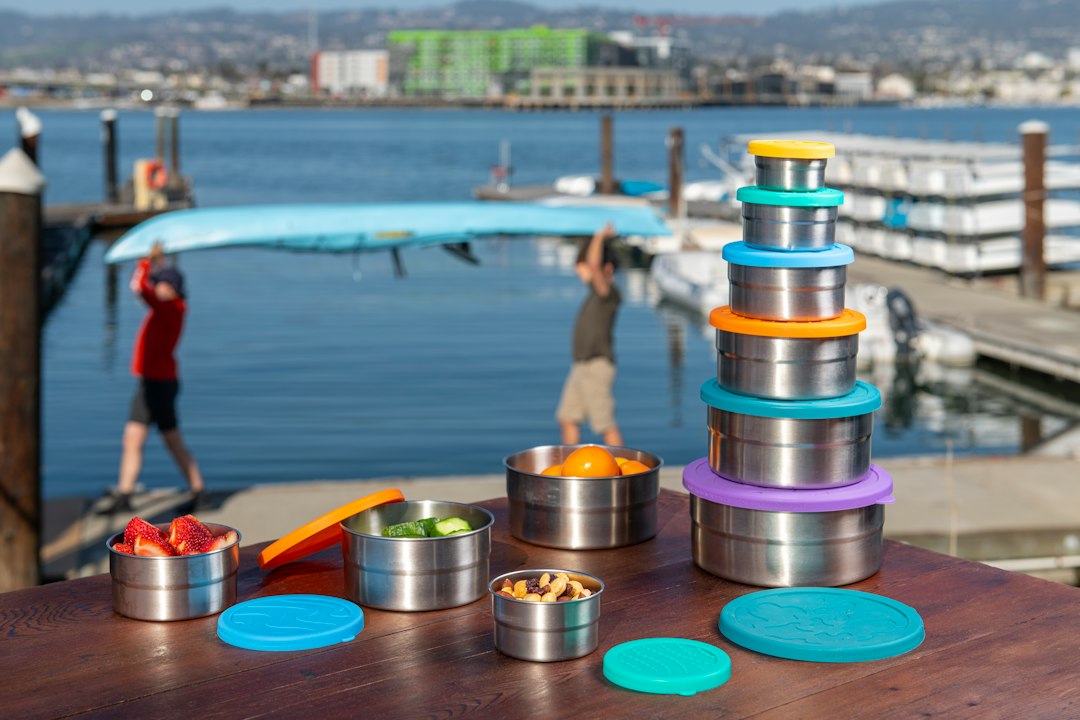
Healthy eating meal prep can be the difference between a week that feels rushed and reactive, and a week that runs on habits you actually enjoy. This guide shows you how to plan, shop, cook, portion, and store food in a way that fits your schedule, budget, and tastes. You’ll find a flexible framework, mix-and-match menus, batch-cooking methods, storage basics, and realistic tips for travel days and unexpected plans. The goal is simple: make healthy choices easier to reach when time and energy feel limited.
Healthy eating meal prep: what it is and why it helps
Meal prep means preparing components or full meals ahead of time so your daily cooking becomes lighter and more predictable. It is not a rigid set of rules. It is a toolkit. Some people cook everything on one day. Others portion out ready-to-heat lunches while keeping dinners semi-prepped. A third group only preps ingredients—grains, proteins, and vegetables—then assembles meals later. The right approach is the one you will use consistently.
Why it helps: decision fatigue drops when you have a plan. Grocery trips get shorter because shopping lists are clear. Food waste often falls because you buy and prepare with purpose. Portion awareness improves because containers and labels make sizes visible. And variety is easier to manage: you can rotate spices, sauces, and sides without remaking the core of every meal. In short, prep creates a path of lower resistance toward choices you care about.
What it is not: a strict diet, a full Sunday in the kitchen every week, or a system that removes joy from food. The most effective versions build in flexibility: room for favorite flavors, seasonal produce, budget changes, and social meals. Prep is a tool to support how you live, not a set of rules that control it.
Set goals and constraints: personalize your plan
Before chopping anything, define your starting point. Goals and constraints shape the strategy more than any recipe.
- Time: How many hours can you realistically spend on planning, shopping, and cooking this week? If you have two hours, focus on batch-cooking and prepped ingredients. If you have four, you can portion full meals, build sauces, and freeze extras.
- Budget: Decide a weekly range. Then prioritize staples that stretch: dry beans, lentils, oats, brown rice, whole-grain pasta, frozen vegetables, eggs, and seasonal produce. These items lower cost per serving while keeping variety.
- Kitchen setup: Inventory your tools and space. A large pot, sheet pans, cutting board, sharp knife, containers with lids, labels, and a reliable fridge/freezer carry most of the work. If you use a pressure cooker or slow cooker, plan recipes that exploit those devices.
- Taste preferences: List three cuisines or flavor profiles you love—Mediterranean herbs and citrus, Tex-Mex with lime and chili, Asian-inspired ginger and garlic, etc. These preferences will guide sauce choices and spice blends.
- Portions: Think in meals you actually eat—breakfast, lunch, dinner, and snacks. If work lunches are the hardest, portion those first. If dinners run late, prep dinners first.
Write these notes. They become your filters while planning. When a recipe conflicts with a constraint—too costly, too complex, or not great for leftovers—swap it for a simpler, budget-friendly option that still fits your flavor goals.
Build your weekly menu with the Balanced Plate
The Balanced Plate is an easy way to sketch meals. Picture your plate in three parts:
- Half vegetables: Mix leafy greens, cruciferous vegetables, colorful peppers, carrots, tomatoes, and seasonal picks. Fresh or frozen works fine. Aim for color diversity across the week.
- Quarter protein: Options include beans, lentils, tofu, tempeh, eggs, fish, chicken, turkey, or lean cuts of beef or pork if you eat meat. Rotate plant-based proteins into the week even if you normally rely on meat.
- Quarter whole grains or starchy vegetables: Brown rice, quinoa, farro, whole-grain pasta, barley, bulgur, oats, sweet potatoes, or corn. Whole grains add fiber and texture; starchy vegetables add comfort.
Sketch five to seven meals using this template. For example:
- Lunch 1: Quinoa + roasted broccoli + chickpeas + lemon-tahini sauce.
- Dinner 1: Brown rice + stir-fried mixed vegetables + tofu cubes + ginger-soy glaze.
- Lunch 2: Farro + cherry tomatoes + arugula + tuna + balsamic-herb dressing.
- Dinner 2: Whole-grain pasta + spinach + mushrooms + chicken strips + marinara.
- Lunch 3: Black beans + roasted peppers + corn + avocado + lime-cilantro yogurt.
- Dinner 3: Sweet potatoes + sautéed kale + salmon + dill-yogurt sauce.
Once sketched, choose which to fully portion and which to keep as components. If you like hot dinners fresh, prep the ingredients and sauces but leave final cooking to the evening. If work lunches need to be grab-and-go, portion those into containers with labels.
Shop smart: pantry staples, produce picks, and budget tips
Shopping is where prep gains momentum. Here’s a practical list you can scan and adapt.
Core pantry staples: brown rice, quinoa, oats, whole-grain pasta, canned tomatoes, canned beans (or dry), lentils, broth, olive oil, canola or avocado oil, vinegar (apple cider, balsamic), soy sauce or tamari, mustard, tahini, peanut or almond butter, spices (cumin, paprika, chili powder, turmeric, cinnamon), dried herbs (oregano, thyme, basil), salt and pepper.
Protein: eggs; tofu; tempeh; canned tuna or salmon; chicken thighs or breasts; lean ground turkey; fish fillets; dairy or non-dairy yogurt; cottage cheese; cheese for flavor accents; plant-based meat alternatives if desired.
Produce: onions, garlic, carrots, celery, sweet potatoes, leafy greens (spinach, kale, lettuce), broccoli or cauliflower, bell peppers, zucchini, tomatoes, citrus, bananas, apples, berries (fresh or frozen), herbs (cilantro, parsley, dill). Frozen vegetables fill gaps affordably.
Budget tips:
- Choose seasonal produce or frozen when prices spike.
- Buy bulk grains and legumes; they store well and stretch meals.
- Cook once, repurpose twice. A pot of beans becomes bowls, tacos, and soup.
- Use a weekly list driven by the Balanced Plate plan to avoid impulse purchases.
- Track what gets eaten vs. what lingers. Adjust quantities next week.
One more tip: keep a small “flavor file” of sauces, dressings, and spice blends. A simple lemon-tahini sauce, a yogurt-herb dressing, a smoky chili rub, and a ginger-soy glaze transform the same base into new meals without extra cost.
Batch-cooking methods: oven, stovetop, slow cooker, and pressure cooker
Batch-cooking saves time by producing multiple servings with one effort. Pick methods that match your tools and schedule.
Oven roasting: Spread vegetables on sheet pans. Toss with oil, salt, pepper, and spices. Roast at moderate temperatures until browned and tender. Roast proteins on another sheet pan or bake in a dish. One oven session can produce trays of vegetables, a pan of chicken or tofu, and a batch of baked sweet potatoes.
Stovetop simmering and sautéing: Grains simmer unattended. Beans and lentils cook gently in broth with aromatics. Stir-fries help you combine prepped vegetables and proteins quickly with a sauce. If using cast-iron or a large sauté pan, you can brown meats or tofu and add vegetables in stages to maintain texture.
Slow cooker: Assemble ingredients in the morning. Soups, stews, shredded chicken, or bean dishes are ideal. The slow cooker frees your hands, and the meal is ready when you return. Portion leftovers into containers for later in the week or freeze.
Pressure cooker: Great for beans, brown rice, steel-cut oats, and tough cuts of meat that become tender quickly. It compresses cooking time, which is helpful when your prep window is short.
Batch-cooking checklist:
- Cook two grains (e.g., brown rice, quinoa).
- Cook two proteins (e.g., chickpeas, chicken thighs).
- Roast two pans of vegetables with different spices.
- Make one sauce and one dressing.
- Cool, portion, and label everything.
With this structure, you can build bowls, wraps, salads, and warm dinners by mixing and matching components across the week.
Safe food handling and storage basics
Good storage habits help your prep stay fresh and enjoyable. The basics:
- Cool cooked foods: Let items cool briefly, then move to shallow containers so they chill evenly in the fridge.
- Label and date: Use painter’s tape or labels with the item name and date. Visual cues reduce guesswork.
- Organize zones: Place ready-to-eat lunches together, dinner components grouped by protein, snacks in a clear bin, and sauces on a small tray.
- Reheating: Reheat thoroughly while maintaining texture. Add a splash of water to grains, cover vegetables loosely, and reheat proteins gently to avoid drying.
- Freezing: Freeze portions you will not eat within a few days. Use freezer-safe containers, remove excess air, and label clearly.
Storage guide (typical home timing): cooked grains and legumes are often enjoyed within a few days; roasted vegetables usually taste best within a few days; cooked proteins vary depending on type and handling. When in doubt, prioritize aroma, appearance, and taste, and build habits that keep fridge contents rotating steadily. A simple weekly audit—what’s left, what got eaten—helps you adjust quantities for the next round of prep.
Prep once, eat many times: 12 mix-and-match recipes
Use these recipes as a starting point. Most rely on the same staples and flavor file, so you can shop once and build many meals.
- Lemon-Tahini Chickpea Bowls: Quinoa, roasted broccoli, chickpeas, lemon-tahini sauce. Add parsley for brightness.
- Ginger-Soy Tofu Stir-Fry: Brown rice, mixed stir-fry vegetables, pan-seared tofu, ginger-soy glaze. Finish with sesame seeds.
- Mediterranean Farro Salad: Farro, cherry tomatoes, cucumber, olives, feta (optional), arugula, balsamic-herb dressing.
- Black Bean and Pepper Wraps: Whole-grain tortillas, black beans, roasted peppers and onions, avocado, lime-cilantro yogurt.
- Sweet Potato and Salmon Plates: Baked sweet potatoes, sautéed kale, roasted salmon, dill-yogurt sauce.
- Lentil-Vegetable Soup: Lentils, carrots, celery, tomatoes, spinach, broth. Simmer and portion into jars.
- Chicken and Greens Pasta: Whole-grain pasta, spinach, mushrooms, chicken strips, marinara, chili flakes.
- Herbed Egg Bites: Whisk eggs with chopped vegetables and herbs, bake in muffin tins. Store for breakfasts or snacks.
- Tempeh Taco Bowls: Brown rice, tempeh crumbles with chili-lime seasoning, corn, lettuce, pico de gallo.
- Roasted Veggie and Hummus Boxes: Roasted vegetables, hummus, pita or whole-grain crackers, cucumber slices.
- Tuna-Citrus Grain Bowls: Quinoa or farro, tuna, citrus segments, fennel or celery, olive oil, dill.
- Oatmeal Jars: Steel-cut oats cooked ahead; portion with berries, nuts, cinnamon, and a drizzle of yogurt or milk.
Each recipe multiplies easily. Batch-cook the base, then finish with sauces, herbs, and fresh toppings right before you eat. If you tire of a recipe mid-week, convert it: chickpea bowls become wraps; lentil soup becomes a stew with extra vegetables; roasted veggies become pasta toppings.
Time-saving prep routines and tools
Efficient routines are the backbone of prep. A few habits can shave minutes and make cooking feel lighter.
- Set a weekly prep window: Put 90–120 minutes on your calendar. Treat it like any other appointment you keep.
- Create a quick-clean station: Keep a compost bin or trash nearby, a towel at hand, and dish soap ready. Cleaning as you go speeds the session.
- Use larger cutting boards and sharp knives: Safety and speed improve when your workspace is generous and tools are ready.
- Portion as you cook: As a batch finishes, portion immediately. This prevents a pile-up at the end.
- Standardize containers: Owning multiples of the same size helps you stack neatly and picture portions accurately.
- Automate a spice set: Pre-mix blends you use weekly—Italian herbs, smoky chili, garam masala, lemon-pepper—so you sprinkle and move on.
Tools that earn their space: a pressure cooker for beans and grains, a slow cooker for unattended simmering, sheet pans for roasting, a large sauté pan, measuring cups and spoons, a blender for sauces and smoothies, and a food processor if you chop large quantities routinely.
Labeling, portioning, and reheating
Labels act as gentle reminders. Write the item, flavor notes (e.g., “ginger-soy”), and date on painter’s tape or a simple label. Place labels on the side for easy reading when stacked.
Portioning matters for both satisfaction and planning. If you aim for three lunches and four dinners, count containers before you cook. Typical lunch portions include one cup of grains or starchy vegetables, one cup of mixed vegetables, and a protein portion that fits your needs; dinners can be similar, with room for extra vegetables. Snacks benefit from small containers: cut vegetables, yogurt, fruit, or nuts measured in advance.
Reheating is as much about texture as temperature. Grains revive with a splash of water and gentle heat. Roasted vegetables keep flavor when reheated on the stovetop with a little oil. Proteins stay moist when reheated briefly and covered. Sauces can be warmed on low heat or blended with a bit of broth if they thicken too much in the fridge.
Eating out and travel days: stay aligned with your prep
Real life includes dinners out, work travel, kids’ events, and last-minute plans. Your prep can bend without breaking.
- Plan flex meals: When sketching the week, mark one or two dinners as flexible. If you eat out, those ingredients roll into tomorrow’s meals.
- Pack simple travel kits: A reusable water bottle, utensil set, napkin, and one prepped snack (nuts, fruit, egg bites, or hummus and crackers) make layovers and long drives more comfortable.
- Restaurant alignment: Scan menus for dishes that resemble your bowls and plates—vegetable-forward options with a protein and whole-grain or potato sides. Ask for sauces on the side if you prefer to add your own at the table.
- Hotel strategies: If a room has a mini-fridge, store yogurt, fruit, and leftovers from dinner; if not, lean on shelf-stable snacks that travel well.
View these days as part of the plan, not an interruption. You are practicing a skill: making choices that feel good in different settings. Prep gives you a baseline, and real life gives you practice.
Troubleshooting common roadblocks
Every system encounters friction. Here is how to reduce it.
- “I get bored easily.” Keep base components familiar and swap the flavor file aggressively. Lemon-tahini becomes smoky chili-lime; marinara becomes roasted red pepper sauce.
- “My schedule changes.” Prep fewer full meals and more ingredients. Freeze portions in half the usual size so you can combine as needed.
- “Dishes pile up.” Portion as you cook, clean while grains simmer, and dedicate five minutes at the end to reset the kitchen.
- “Groceries feel expensive.” Emphasize bulk staples and frozen vegetables; rotate more legumes; add eggs and canned fish; and stretch meats by mixing with beans or mushrooms.
- “I run out of containers.” Standardize sizes and count needs before cooking. Keep a few extra lids on hand.
- “Leftovers get lost.” Use labels and a weekly audit. Place lunches front and center on one shelf.
Catching issues early helps you refine. If a recipe felt fussy, replace it with a simpler one next week. If a sauce stayed untouched, store smaller portions. If roasted vegetables got soggy, lower oven temperature and spread them more thinly next time.
Maintenance: iterate, seasonal swaps, and family input
Prep gets easier when you treat it as a living system. Iterate gently each week.
- Seasonal swaps: Choose produce that is flavorful and affordable in your region. Swap asparagus for broccoli in spring; tomatoes and zucchini for winter squash in summer; root vegetables and hardy greens for lighter options in colder months.
- Family input: Ask what worked, what felt heavy, and what needs more spice. Invite people to pick a weekly sauce or a side, so the plan includes everyone’s taste.
- Template rotation: Keep three weekly templates—bowls, pasta-centered, and soup-and-salad weeks—and cycle them. This adds variety without inventing brand-new plans.
- Small wins: Celebrate the easy improvements: shorter grocery trips, quicker lunches, less wasted food, and more calm around dinner time.
Keep notes in a simple document or on your phone. Write your favorite combinations, cook times that worked, and containers that fit best. Over a month, you will build a personal cookbook of components and flavors designed for your life.
Sample two-hour prep session (step-by-step)
Use this timeline the next time you have a prep window. Adjust for your tools and recipes.
- 0:00–0:10 Start brown rice and preheat the oven. Set out containers, labels, and a trash bin. Rinse quinoa.
- 0:10–0:25 Chop broccoli, peppers, and onions; toss with oil, salt, and spices; spread on sheet pans.
- 0:25–0:45 Roast vegetables. Start quinoa. Season tofu or chicken for the pan.
- 0:45–1:05 Pan-sear tofu or chicken; finish with sauce (ginger-soy or chili-lime). Stir the rice and quinoa.
- 1:05–1:20 Make lemon-tahini sauce and yogurt-herb dressing. Taste and adjust.
- 1:20–1:40 Cool cooked foods in shallow containers. Portion lunches first: grain + vegetables + protein + sauce.
- 1:40–2:00 Label containers, wipe counters, and stack lunches together on one fridge shelf. Store sauces in a small tray.
At the end, you’ll have five lunches and pieces in place for three dinners. If you consistently run over time, reduce the number of items per session; if you consistently finish early, add a baked potato or a pot of beans.
Flavor file: sauces and blends that keep variety high
A small set of sauces and spice blends makes repetition feel fresh. Build yours from these ideas:
- Lemon-Tahini: Tahini, lemon juice, garlic, water, salt, pepper.
- Yogurt-Herb: Yogurt (dairy or non-dairy), dill or parsley, lemon, pinch of salt.
- Ginger-Soy: Soy sauce or tamari, grated ginger, garlic, splash of vinegar, a dash of oil.
- Smoky Chili-Lime: Chili powder, cumin, paprika, lime juice, oil, pinch of salt.
- Peanut-Garlic: Peanut butter, soy sauce, garlic, splash of water, lime.
- Roasted Red Pepper: Blended roasted peppers, olive oil, garlic, vinegar, pinch of salt.
Spice blends to pre-mix: Italian herbs, lemon-pepper, garam masala, taco seasoning, za’atar. Label jars and keep them near the stove for speed. Two sauces and two blends per week are enough to create variety without overwhelming your fridge.
Snacks and quick breakfasts that align with your plan
Snacks and breakfasts can be as predictable as lunches. Prep small portions to support your mornings and between-meal windows.
- Breakfasts: Oatmeal jars, herbed egg bites, yogurt with fruit and nuts, whole-grain toast with nut butter and sliced banana.
- Snacks: Cut vegetables with hummus, fruit, yogurt cups, cottage cheese, roasted chickpeas, a measured handful of nuts, popcorn.
Place these items together in the fridge to create a “grab-and-go” zone. Visibility boosts consistency. When people see options, they use them.
A flexible weekly template you can print
Try this menu skeleton and fill it with recipes from earlier sections:
- Breakfast: 2 choices (e.g., oatmeal jars; egg bites).
- Lunch: 3 bowls (grain + vegetables + protein + sauce).
- Dinner: 3 components (grain; roasted vegetables; protein) + fresh add-ins.
- Snacks: 3 items (cut vegetables; yogurt; fruit).
- Flex meal: 1 dinner out or social meal.
Print the template, fill in components, and place it on the fridge. During the week, check off items as you eat them. This visual cue keeps momentum and helps you plan the next session.
Where to learn more and keep momentum
Prep is a practice, and it grows with community and good ideas. For more weekly inspiration, explore our Healthy Eating posts at mstyle4life.com, and keep a simple note on your phone of the combinations you enjoyed. The more you record what works, the easier next week becomes.
Healthy eating meal prep is ultimately about kindness to your future self. A little effort now makes tomorrow smoother. Start small, aim for consistency, and let your plan evolve with your life. When time is limited, your fridge will feel like a set of helpful options instead of a question mark.
