The modern farmhouse living room is a favorite for people who want warmth without clutter and character without chaos. If you love clean lines, layered textures, neutral colors, and a welcoming feel, this guide shows you exactly how to plan, furnish, style, and care for the space so it stays practical, cozy, and timeless.
Below you’ll find a complete blueprint: planning checklists, layout strategies for different room sizes, color and finish formulas that actually work, furniture selection and placement, textile layering, lighting design, wall décor, how to mix vintage and new, smart and sustainable add-ons, and an easy maintenance routine. You can build your plan step by step and adapt every idea to your budget and home.
If you want more home inspiration after this guide, explore our Home Décor & Design hub at MStyle4Life for fresh ideas and room-by-room walkthroughs.
Defining the style: what makes it modern farmhouse
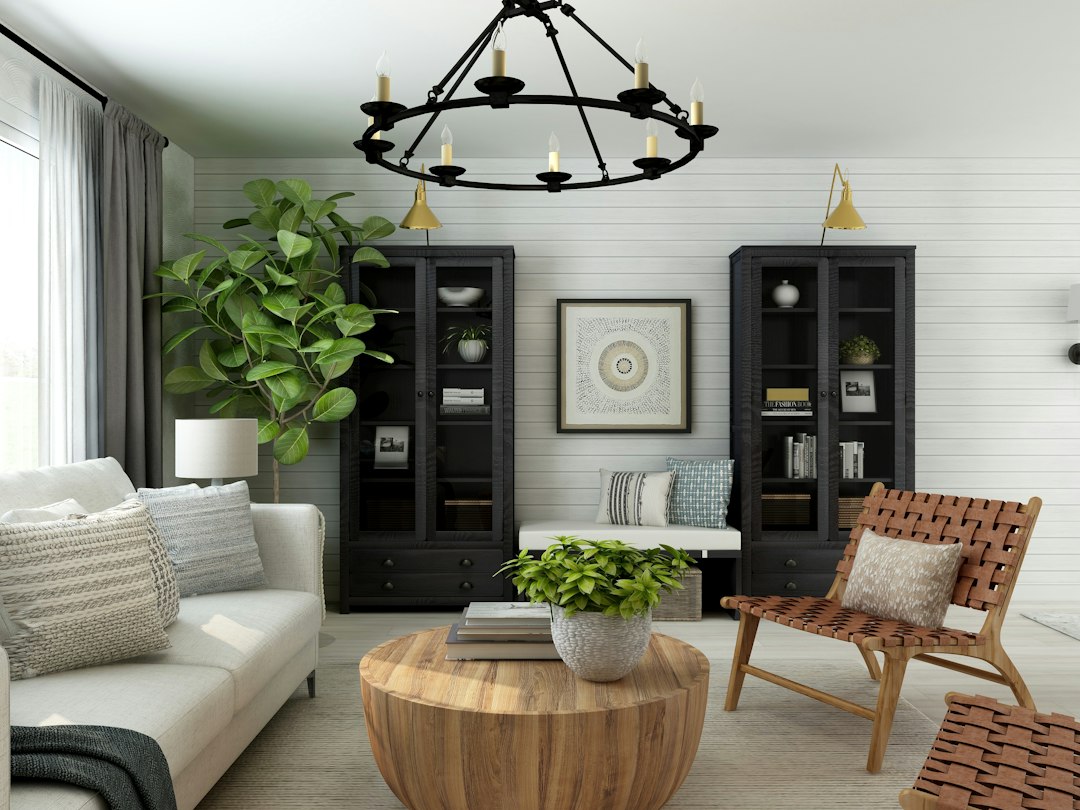
Modern farmhouse blends the streamlined shape of contemporary design with the warmth and heritage of country style. It favors fewer, better pieces and works with the real bones of your home rather than hiding everything behind heavy trim. Think honest materials, neutral palettes, tactile layers, black metal accents, and simple silhouettes.
Core elements to guide every decision:
- Materials that age well: solid wood, natural fiber rugs, stone, ceramic, linen, jute, and leather. Complement with blackened or brushed metal and occasional matte painted finishes.
- Neutral palette with contrast: creamy whites, warm greiges, beiges, mushroom taupe, soft charcoals, and natural wood tones. Add contrast with black accents, deep bronze, or dark charcoal.
- Simplified silhouettes: boxy or bench-seat sofas, modernized Windsor or spindle back chairs, clean-lined coffee tables, and unfussy media consoles.
- Texture over pattern: wide-weave throws, slub or stonewashed linen, chunky knit pillows, nubby rugs, and hand-thrown ceramics. Patterns appear sparingly—usually stripes, small checks, or herringbone.
- Modest décor with meaning: fewer accessories, but each with a story—a handcrafted bowl, a vintage stool, a framed sketch, or a single oversized branch in a simple vase.
What the style is not: distressed paint everywhere, faux-aged everything, or crowded sign art. It’s a refined, edited approach. The rustic note is real wood grain, handwoven fiber, a hint of patina, and the quiet confidence of simple design.
modern farmhouse living room planning checklist
Use this checklist to frame the project before you buy a single item. Print it or copy it into a note and check off each point as you go.
- Measure the room: length, width, ceiling height, window and door positions, and any radiators or vents.
- Document outlets and cable locations; note if a floor outlet is available for lamps.
- Define the main function: daily lounging, family TV nights, formal sit-downs, reading, or mixed use.
- Choose a focal point: fireplace, TV wall, large window, or a feature art wall.
- Set a palette: main wall color, trim color, wood tone family, metal finish family, and one accent color.
- Create a furniture list by priority: sofa, rug, coffee table, media console, side tables, chairs, lamps, storage pieces.
- Decide traffic paths and no-go zones to keep clear of furniture.
- Establish a budget range and phasing plan (Section on budgets later).
- Agree on a styling philosophy: fewer, quality pieces over frequent impulse buys.
- Plan maintenance: vacuum schedule, fabric care strategy, and rotation of textiles seasonally.
This upfront work prevents purchase mistakes and anchors the style, so later choices become easy and consistent.
Layouts that work: small, medium, and large rooms
Every modern farmhouse living room begins with a layout that respects the architecture. The best rooms feel effortless because the plan supports traffic flow, conversation, and daily routines.
Small rooms (up to about 12×15 ft / 3.7×4.6 m)
Priorities: light, scale, and multifunction pieces. Pick a compact bench-seat sofa (around 72–84 inches), a single armchair, and a slimline media console. Trade a bulky coffee table for an oval or round top with an airy, open base. Nesting tables double as side tables and expand surface area when guests arrive.
- Rug: 6×9 or 7×10 in natural jute or wool blend anchors furniture without overwhelming the floor.
- Storage: a vintage stool or lidded basket holds blankets; a wall-mounted shelf keeps surfaces clear.
- TV: wall-mount to free console space for baskets and books.
- Traffic: aim for 30–36 inches of walking paths; never block the route from door to seating.
Medium rooms (about 14×18 ft / 4.3×5.5 m)
These rooms can handle a full-size sofa (85–96 inches), a pair of chairs, and a standard 8×10 or 9×12 rug. Configure seating around the main focal point. If the fireplace and TV compete, place the TV off-center on a swing arm or choose a frame-style screen that visually recedes when off.
- Balance: a rectangular coffee table or a roomy, tuft-free ottoman with a tray adds softness without fuss.
- Side tables: one per seat if possible; choose simple round or square tops with slender legs in wood or metal.
- Lighting: floor lamp behind the sofa corner creates reading light; sconces frame art or windows.
Large rooms (over 16×20 ft / 4.9×6.1 m)
Divide a big space into zones so it still feels human-scale. Anchor the main seating with a 9×12 or 10×14 rug and create a secondary zone: a reading nook with two chairs and a small table, a game table area, or a bench under a window. Repetition ties it together—matching lamps, parallel black metal lines, and consistent wood tones.
- Sectionals: choose clean-lined sectionals with low to medium backs; avoid overstuffed cushions. Ensure two open sides for easy movement.
- Console table: behind the sofa, add a narrow table for lamps and baskets without visually crowding the room.
- Flow: keep a minimum of 36 inches for main walkways; 24 inches for secondary paths works in a pinch.
Color palettes and finishes that always look good
Neutral does not mean dull. A well-built palette uses subtle shifts in warm and cool, matte and sheen, and light and dark. Start with walls, trim, and ceiling; add wood tones; then layer textiles and accents.
- Walls: soft white or warm greige. Popular references include warm ivory, pale oatmeal, mushroom taupe, or a muted putty.
- Trim: choose either a shade lighter or darker than the walls. A slightly brighter white trim adds definition without high-contrast harshness.
- Ceiling: keep it clean white for light bounce. In rooms with beams, let natural wood or a light stain shine.
- Wood tones: stick to one dominant family—honey oak, mid walnut, or light natural oak. Mixing too many tones muddies the calm.
- Metal finishes: blackened iron, oil-rubbed bronze, or matte brass. Pick one primary metal and let others appear sparingly.
- Accent color: bring in a muted sage, dusty blue, warm clay, or inky charcoal via pillows, art, or a single cabinet.
Finish choices matter as much as color. Prefer matte or eggshell on walls (soft light reflection); satin on trim (durability and cleanability); natural or matte-stained wood; and powder-coated metal on lighting. Avoid overly glossy anything; the charm of modern farmhouse lies in quiet sheen and authentic texture.
Furniture: forms, proportions, and practicality
Furniture anchors the feel, and in a modern farmhouse living room the watchwords are honest, comfortable, and unfussy. Choose pieces that invite use and age well. The aim is lasting comfort rather than trend-chasing shapes.
- Sofa: A bench-seat or two-cushion sofa keeps the line clean. Bench seats reduce visual clutter, and a single long cushion resists sag when foam density is adequate. Look for kiln-dried frames, sinuous springs or webbing, and removable cushion covers.
- Chairs: Add character with a modernized Windsor, spindle-back, or leather sling chair. Keep the seat height similar to the sofa to maintain comfortable conversation eye lines.
- Coffee table: Wood slab, plank, or a simple rectangular or oval top with rounded corners. Avoid thick, heavy carving; prefer eased edges and honest joinery. Practical dimension guide: length about two-thirds of the sofa; height roughly the same as the sofa seat.
- Side tables: Mix a slim black metal table with a small wood stool or drum table for texture variety without overmatching.
- Media console: Choose slatted doors, cane panels, or simple wood doors with discreet pulls. Cable cutouts and venting matter—form and function blend here.
- Storage: Closed storage hides toys and remotes; open shelves display a few meaningful objects. A lidded blanket box doubles as extra seating if sturdy.
Upholstery and durability tips: Performance fabrics in linen-look or cotton-blend weaves withstand family use. Medium tones hide everyday wear better than bright white and still read as neutral. If you prefer true linen, choose slipcovers for easy cleaning and air-drying. Leather should be aniline or semi-aniline for a natural, lived-in patina, not painted gloss finishes.
Textiles and layering: the comfort factor
Textiles deliver the tactile warmth that defines this style. They soften the architecture and invite people to curl up with a book, host friends, or relax after a long day.
- Rugs: Jute, wool, or jute-wool blends feel sturdy underfoot and age gracefully. For small rooms, a 6×9 or 7×10 rug; for medium, 8×10 or 9×12; for large, 9×12 or 10×14. The front legs of the sofa and chairs should rest on the rug for cohesion.
- Throws: Keep two to three throws in complementary textures—one chunky knit, one stonewashed linen, and one herringbone weave. Fold neatly over the sofa arm or stack in a basket, not draped everywhere.
- Pillows: Start with two 22-inch pillows at each sofa end, add a lumbar at center, and finish with a subtle stripe or mini-check. Favor invisible zippers and down-alternative inserts for soft loft without feathers.
- Window treatments: Linen curtain panels or woven shades in natural fibers keep light diffuse and flattering. Mount curtains high and wide to visually expand the room—just skim the floor, no puddles.
Keep pattern low-key so texture remains the star. Rotate textiles seasonally: lighter linen and open weaves in warmer months; more wool and heavier knit in cooler months. It keeps the room feeling fresh without new purchases.
Lighting plan: ambient, task, and accent
Modern farmhouse lighting blends warmth with clarity. Create three layers and choose bulb color carefully. Warm white bulbs around 2700–3000K keep the cozy tone; dimmers provide flexibility from daytime brightness to evening calm.
- Ambient: A flush mount or chandelier anchors the center. Black metal or aged brass frames with clear or seeded glass keep it simple.
- Task: Floor lamps beside chairs, a reading arm lamp over the sofa, or swing-arm sconces near shelves provide directed light. Choose shades that funnel light where needed without glare.
- Accent: Picture lights, small lamps on a console, or LED strips in a built-in add glow to art and objects. Limit accent lighting to a few points so it remains special.
Placement rules of thumb: ensure every seat has a lamp within easy reach; centerline a chandelier over the coffee table or seating center; and avoid placing all light sources at the same height so the room gains depth. For ceiling fixtures, mind scale: 24–36 inches wide in medium rooms; larger only if ceilings are high and furniture is substantial.
Walls, art, and architectural touches
Let walls breathe. In an edited modern farmhouse living room, a single oversized piece or a tight gallery set reads better than lots of small objects scattered around. Fewer holes in the wall keep maintenance simple and the look calm.
- Art: Pencil sketches, black-and-white photography, landscape paintings in muted palettes, or abstract canvases in oatmeal, charcoal, and clay tones. Simple frames—natural wood, black, or thin brass—tie back to your metals.
- Mirrors: A simple black metal mirror adds light bounce and a clean face for the wall. Avoid ornate frames; straight lines or soft arches fit best.
- Architectural texture: If your room invites it, consider a single accent wall in vertical paneling, a limewash finish for soft movement, or a simple plank shelf as an unassuming mantle for art rotation.
When people think farmhouse, they often picture heavy shiplap. Use paneling sparingly and keep profiles narrow; the goal is subtle texture, not theme-park rustic. Modern restraint is your friend.
Mixing vintage and new without the clutter
Part of the charm comes from an item or two with history. Mix vintage and new by focusing on function first and story second. One vintage stool beside the sofa, a reclaimed wood bench, or a mid-century spindle-back chair adds soul without overwhelming the room.
- Where vintage shines: side tables, accent chairs, stools, benches, pottery, and small storage pieces. These bring patina right where your hand meets the material.
- Where new is smart: sofas, large rugs, and heavy-use pieces—modern construction standards and warranties make life easier.
- Shopping tips: choose solid wood over veneers, check joints and stability, avoid overly distressed paint, and prefer finishes you can lightly refinish or oil.
Curate, don’t hoard. If you bring in something new or vintage, consider what leaves. This simple rule preserves the clean, airy energy that makes the style feel inviting rather than crowded.
Styling surfaces and seasonal refreshes
Surface styling in this aesthetic is intentionally restrained. A coffee table with a tray, a book stack, a small ceramic bowl, and one botanical stem says more than a dozen trinkets. On shelves, use negative space: group books by tone, insert a bowl or vase, and let the wall show through.
- Coffee table formula: tray + book stack + bowl + branch. Adjust scale to the table size; keep heights varied for visual rhythm.
- Mantel or console: one large art piece or mirror, one ceramic piece, one candle, and a simple vase. That’s it.
- Seasonal tweaks: lightweight linen pillows and airy branches for spring/summer; heavier knit pillows and darker greenery for fall/winter. Swap covers and stems rather than buying new furniture.
Plants and branches add life. Opt for olive, eucalyptus, or simple branches in a matte vase. This hit of organic form brings the farmhouse note without visual noise.
Smart and sustainable upgrades
Modern farmhouse is as much about thoughtful living as it is about aesthetics. A few practical upgrades make the space more enjoyable and efficient.
- Smart dimmers and bulbs: app-controlled dimmers let you adjust ambients quickly for movie nights, reading, or gatherings.
- Energy-conscious choices: wool rugs and natural fibers are long-lasting; LED bulbs run cooler and use less energy than incandescents; blackout liners on curtains cut heat loss and reduce glare on screens.
- Multiuse furniture: ottomans with hidden storage, nesting tables, and collapsible stools meet changing needs without adding clutter.
- Air quality: choose low-VOC paints and natural finishes; keep a simple vacuum and dusting routine to manage fibers and pollen.
These tweaks are invisible to the eye but easy to feel—you’ll notice smoother routines, fresher air, and quieter electric bills.
Budget, phasing, and sample shopping lists
A modern farmhouse living room can be built in phases. Decide what must happen now and what can wait. The goal is fewer, better pieces, chosen once and loved for years.
Budget tiers (for planning, approximate ranges)
- Essentials-first: modest budget. Focus on paint, a reliable sofa, an 8×10 jute or wool-blend rug, a simple coffee table, and two lamps. Add side tables and art later.
- Mid-range: build in a pair of chairs, a better rug, a solid wood coffee table, and a sturdy media console. Layer textiles and art gradually.
- Investment: foundation pieces plus custom window treatments, a hand-knotted wool rug, and a standout light fixture. Finish with artisan pottery and a vintage accent piece.
Phasing example (three steps):
- Phase 1: Paint, rug, sofa, and one lamp. The room becomes usable and aligned with the palette.
- Phase 2: Coffee table, two chairs, second lamp, media console, and basic window treatments.
- Phase 3: Art, pillows, throws, shelves styling, accent lighting, and one vintage piece with character.
Sample shopping list templates you can adapt:
- Sofa: bench-seat performance linen-look, warm off-white or mushroom.
- Rug: natural jute or wool, tightly woven, 8×10 or 9×12.
- Coffee table: light oak slab or plank, rounded corners.
- Chairs: spindle-back wood or leather sling.
- Media console: matte wood with cane doors.
- Lighting: black metal floor lamp + fabric-shade table lamp.
- Textiles: two 22-inch pillows, one lumbar, two throws.
- Window: linen panels mounted high and wide.
- Décor: large matte vase, simple framed sketch, hand-thrown bowl.
Care, cleaning, and long-term upkeep
Simple routines preserve the beauty of a modern farmhouse living room. Plan light weekly habits and occasional deep-care tasks, so everything ages gracefully.
- Weekly: quick vacuum of rugs and sofa; dust the coffee table, shelves, and lamps; fluff pillows; fold throws; wipe fingerprints on mirrors and glass.
- Monthly: rotate the rug (if possible) to even traffic wear; wash or air-dry slipcovers and pillow covers according to labels; condition leather with a light hand; oil wood surfaces with a gentle furniture oil if the finish allows.
- Seasonal: swap textiles for the season, prune plants, and review the room for excess—donate anything you no longer use to keep the space calm.
Small habits protect fabrics and finishes: coasters under glasses, trays corralling remotes and candles, a mat at the entry to catch grit, and felt pads under furniture to protect the rug and floors.
Putting it all together: a room-by-room example
Imagine a medium-size space with a south-facing window and a low, brick fireplace. You choose soft white walls, bright white trim, and a natural oak console. The sofa is a bench-seat in warm ivory; two black metal lamps sit on a slim console table behind it. A jute-wool rug (9×12) anchors the main zone with a light oak coffee table centered on it. One leather sling chair and one spindle-back chair flank the coffee table; both share a round black side table.
On the mantel, a single large pencil sketch in a thin natural frame hangs; a matte ceramic vase with an olive branch and a simple candle finish the arrangement. Window panels in linen are hung high and wide. The TV mounts on the wall near the console and swings to face the seating when needed. Lighting layers include a central black metal chandelier on a dimmer, a floor lamp for reading, and a small table lamp on the console for evening glow.
Décor is minimal: a tray with a book stack and bowl on the coffee table, a stack of blankets in a lidded basket, and one hand-thrown pot on the media console. The space reads quiet, warm, and ready for daily life—exactly the promise of a modern farmhouse living room done right.
Use this guide as your working plan. Measure, sketch the layout, set your palette, and build the room in phases. The style rewards patience: fewer, better pieces layered with texture, tone, and light. When your room feels calm yet alive, you’ll know you nailed the balance.
